Tag Archives: dramaturg

DRAMATURG REPORT NO. 7

My week through the artistry of images.
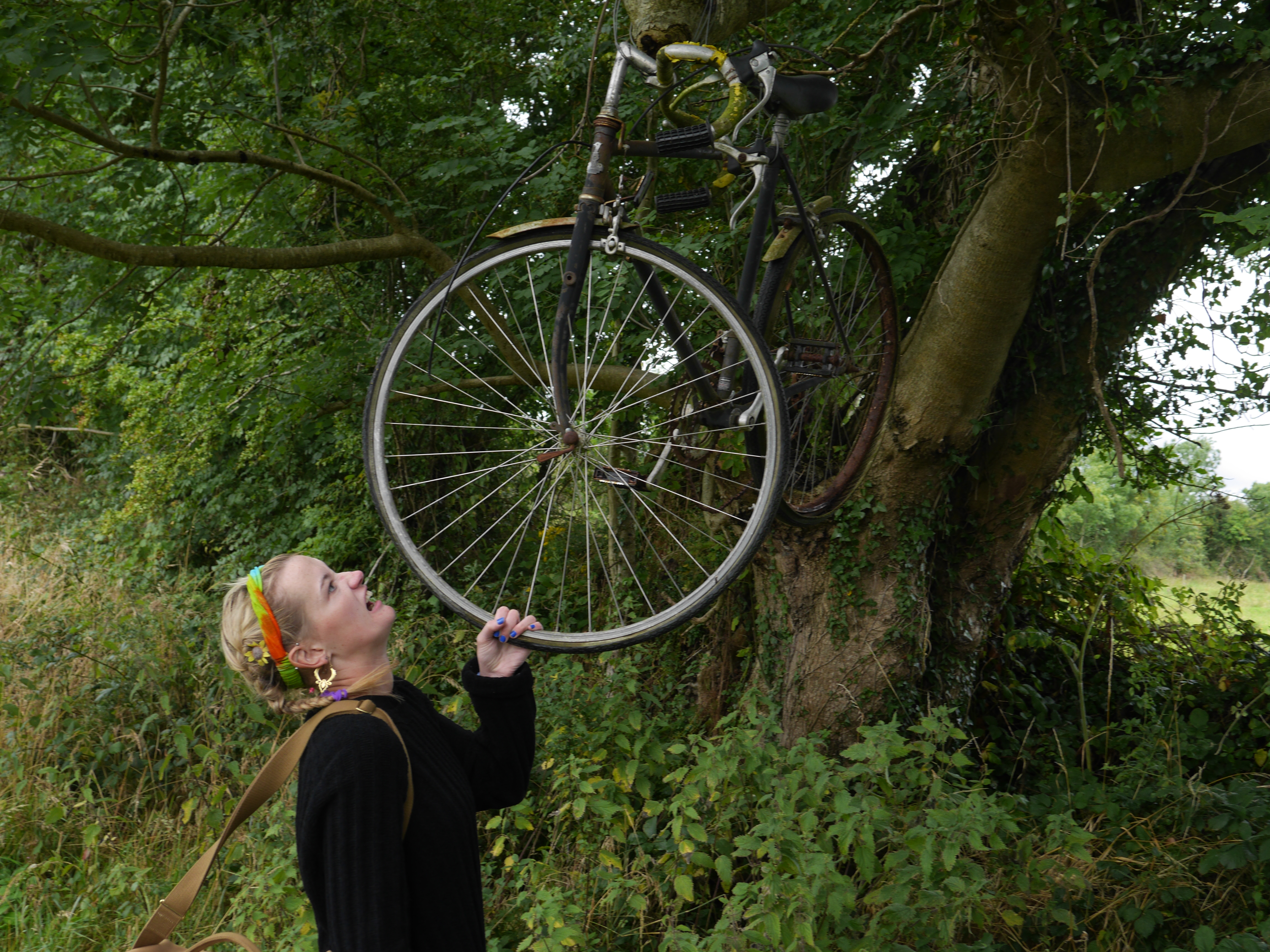
In the middle of Tipperary, where you can witness a tree eating a bike. Nature is back, and it is pissed.

In the middle of Tipperary, where you can witness a tree eating a bike. Nature is back, and it is pissed.

I found a pirate ship! Not really, what I did find was how to focus on my camera.

But not really, what I did find was how to focus on my camera.

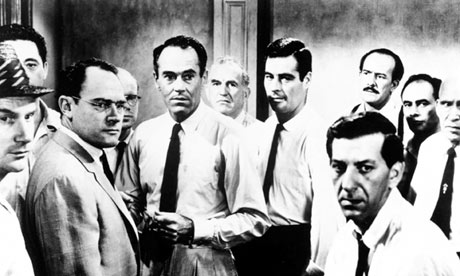
All my friends. According to my computer these are the most photographed faces. There is only two human faces.

According to my computer these are the most seen faces. There is only two human faces.

Working at Electric Picnic I thought I'd be artsy and take photos, I just seem to chop or distort faces. It's dadaesque art, well now it is.

Working at Electric Picnic I thought I’d be artsy and take photos, I just seem to chop or distort faces. It’s dadaesque art, well now it is.

Went to the National Gallery, found this beautiful piece in the foyer, its called 'temporarily unavailable'.

Went to the National Gallery, found this beautiful piece in the foyer, its called ‘temporarily unavailable’.

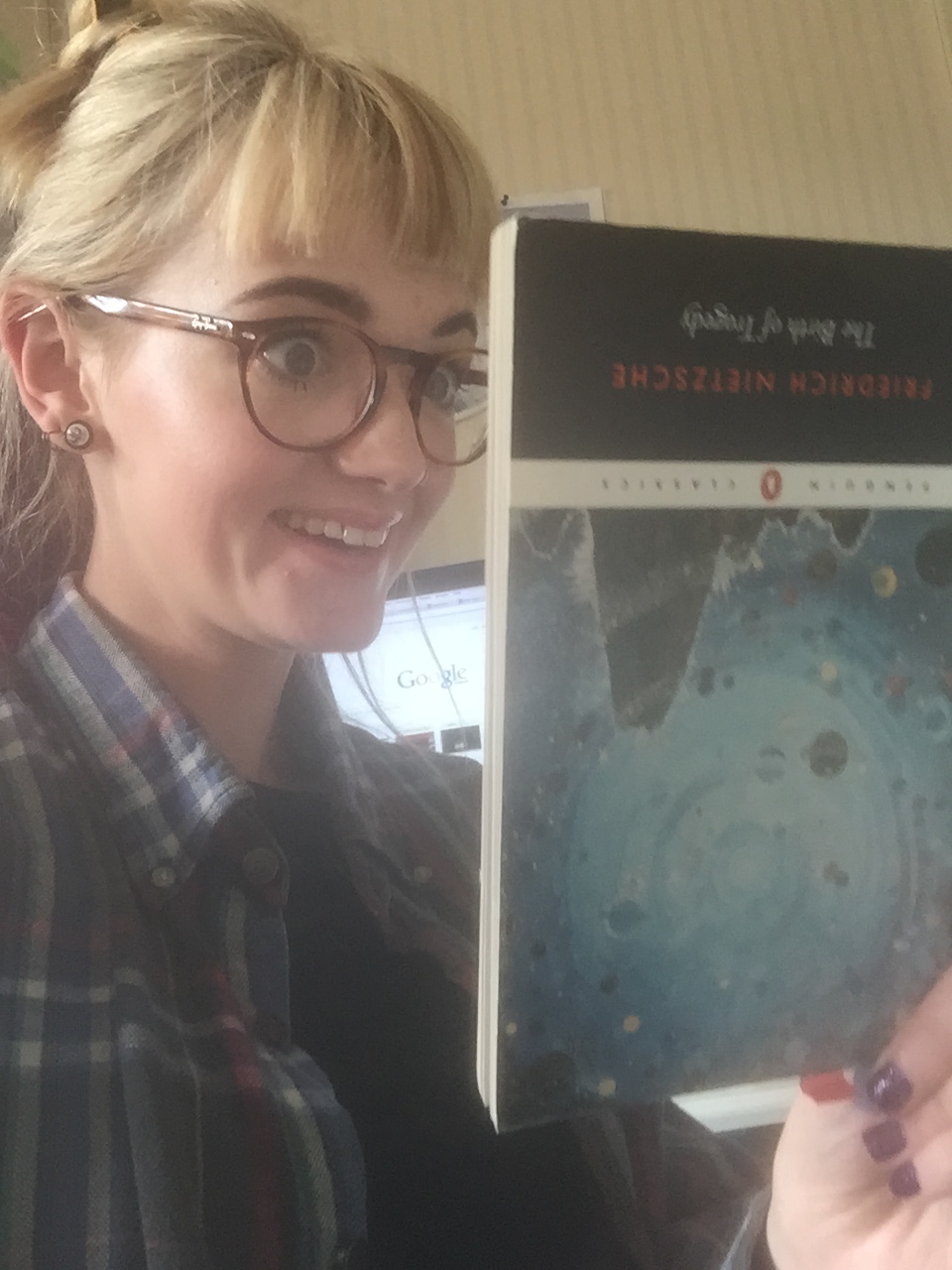
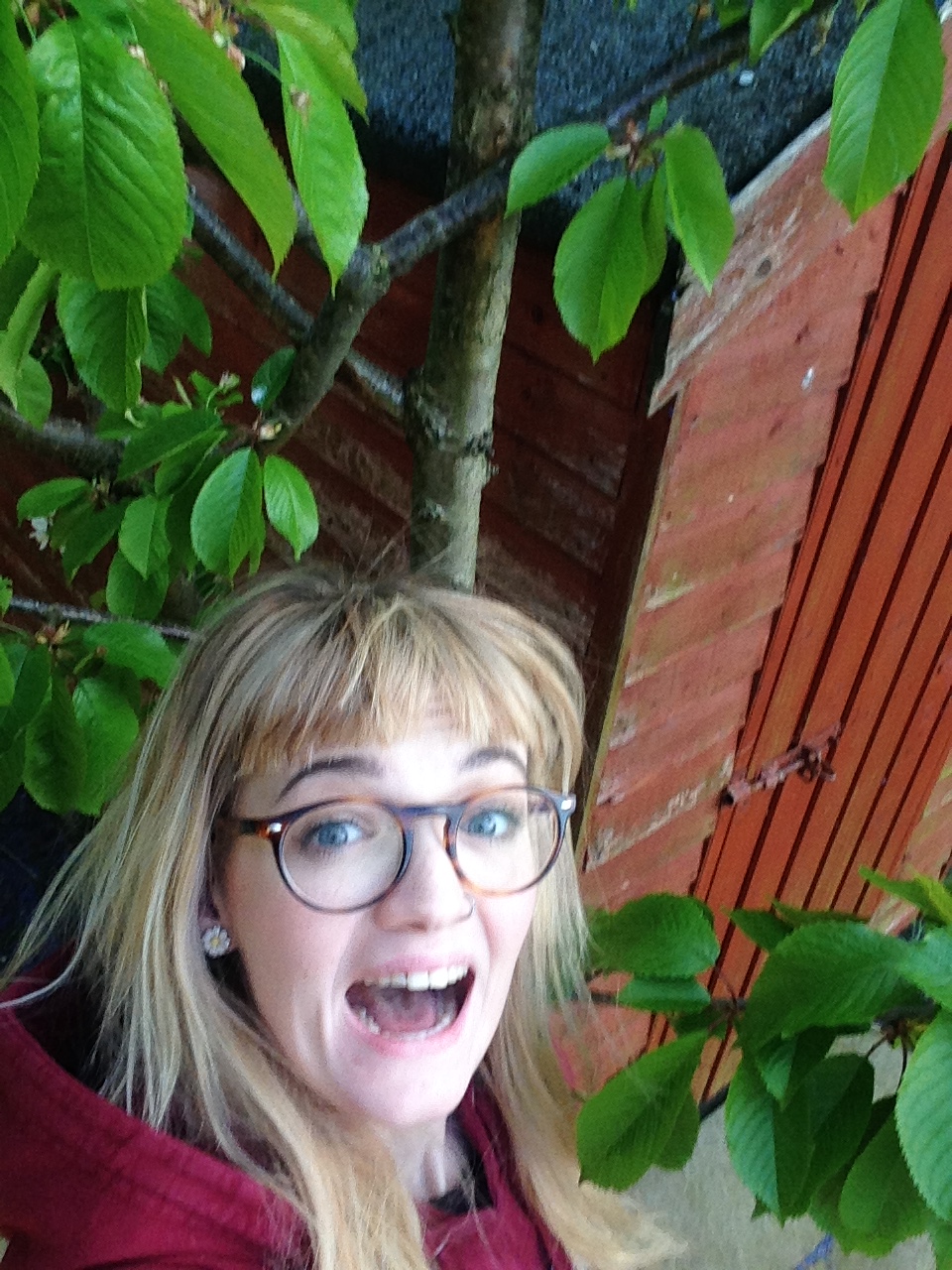
Feeling so inspired by all the work I witness over the past few weeks I decided to take my own photographic self portrait, called 'attacking the camera with your face', it will be huge in most countries.

Feeling so inspired by all the work I witness over the past few weeks I decided to take my own photographic self portrait, called ‘attacking the camera with your face’, it will be huge in most countries.

Now with that picture interlude complete, time for some words. At the end of each week, I put together my own dramaturg report for my own work. To help understand the drama versus the dramaturgy. Simple guide to balance my work with my other jobs. The drama being the work I am completing, and dramaturgy being the overall body of work I envisage it will form together. And I keep recording what I am completing and if it is remaining within my own deadline. It’s more about time than anything, time can be a cruel mind fuck. You think it’s nine o’clock so you begin to faff around and read about some upcoming shows then all of a sudden it’s one o’clock! In essence it balances my work load for the week making sure I meet my own artistic goals, particularly if you are trying to balance jobs like an overworked scales.

Unusually I had a bit of extra time this week, which I dedicate to letting the wild theatrical dramaturg ideas flow. To add a bit of life to the project I am currently working on, to allow myself time to creatively explore the projects and all of the sinews that form it, instead of sweating over the time limit I have to work in order to get to my next job. On an off topic note, not enough theatre makers discuss is allowing and allocating that time to explore and develop your ideas in order to make them into profitable pieces of theatre, both theatrically and financially. Probably because they are afraid that people like the Arts Council or fellow theatre makers won’t think they are theatre machines anymore, and in fact just normal human beings, damn these fleshy arms, I said write more stage directions not mange directions!

Although sometimes this creative time gets a bit strange, here are some of my notes I found the other day from last week. As you will witness I was combining a rational topic within theatre with…a…dramaturgical direction…a random dramaturgical direction.

1. THEATRE ECOLOGY: Create a traditional proscenium arch stage. Unbeknownst to the audience that the entire stage is made out of carefully constructed soil laced with turbo seeds. When the audience spit on the stage, or cry on the stage, a flower suddenly grows and flourishes out of the stage within two minutes. Obviously because it is laced with turbo seeds. Turbo seeds are not invented yet, but we will leave that up to stage designer to sort out.

Audience participation.

2. I could fill out the application in a series of riddles, vulgar similes and off topic analogies. Expressing my theatrical language and subverting the traditional application form of writing. I have to learn their vague ramble filled language, now they must learn mine!

Applying to the Arts Council.

3. Dramaturgs could be attached to a series of harnesses that allows them to float around the stage during the rehearsal process. This would literally give them a higher understanding of the overall dramaturgy of the performance and write up notes a float. And descend when necessary.

Making dramaturgs a more prominent figure in theatre.

4. Magic! playwrights could add disclaimers to the their work that there is a spell attached to every word and stage direction. if anything is plagiarised the word their will grow a toe on their forehead. So everyone will know that was the toe face who copies other peoples work. They will be known as toe folk.

Protecting playwrights work.

5. When a theatre company has lost a lot of morale, there is a puppy service provided from the Arts Council that brings puppies in to make the whole company feel better. Free of charge, no application process, all you need is a sad face and the Arts Council will get the puppies to the company within the hour.

Company longevity.

6. Instead of a front of house you could have a mime. Try find the toilets now reviewers!

Harmonising the theatre with the performance.

7. Playwrights could enter what ever space they find that satisfies their writing needs and by shouting ‘NOW’, the space has automatically become their new writing space. No funding necessary just a portable chair and table.

Outsourcing spaces for playwrights to develop and complete their work.

The method to this modus operandi, that is right there really is method to this madness, is to take a topic, a genuine topic as written below the chaotic rationale. Then letting your imagination run wild. But to make sure it remains in some respects within the context of the initial idea.

Why did I share this information with internet land, because I feel theatre is ready for all this weird jelly.

Sharing is caring, and I care, between the hours of 1-4pm on Mondays.

Thank you for reading.

All rights reserved to Katie Poushpom, k.e.poushpom.
Leave a comment

Filed under dramaturg report

DRAMATURG REPORT NO. 6

Cumberbatch is pissed: Audience development introduced by Evil Lyn.

He has angered the audience, run!

While finishing my digital work I came across a clip on the internet that was from Victoria Derbyshire on the BBC. Naga Munchetty was discussing Benedict Cumberbatch’s discomfort at being photographed and filmed with guest Caroline Crampton, the web editor of the NewStatesman. It was one of the most refreshing discussions I have heard in a really long time, Crampton gave an incredibly honest and constructive advice on how theatres should start catering to the new type of audience today.

YES. And not once did she talk about Shakespeare, it was brilliant! Sounds odd since the play was written by Shakespeare, but instead discussed the situation at hand , that being the relationship between audience and theatre. No ‘this is what Shakespeare would of wanted, he told me in a dream while riding a dragon’ or ‘the audience needs to have appropriate theatre etiquette, if they knew that they would be foaming by the mouth with joy by the second act’, instead a direct and candid conversation about the new audience and how a theatre could better meet those needs. Actually I don’t want to use the word ‘needs’, it gives me an image that the audience is some sickly dog, instead STRENGTHEN the relationship between audience and theatre to reach further potentials of theatre making.

Here are some of my notes from this interview:

New audience, new needs.
Impact of the content of the play- A well know actor on stage witnessed in real time and not on screen is definitely going to make an audience lose their shit.
In the room experience.
Start creating new services to accommodate to these new needs
Value the audience, don’t piss them off they just paid for tickets. And most likely won’t pay again.

Crampton really honed in about the ‘in the room experience’, putting a Hollywood actor on the stage completely alters not just the play but the audience. Of course they want to take a picture so why not designate a time after the performance where the audience could have this opportunity. Theatres should start exploring more creative ways to form a congruous relationship with the audience, like a modern day Jessica Fletcher. Jessica Fletcher lived in probably the most violent and gruesome town Cabot Cove. A town that appears to be occupied by shiny and smiley happy people, yet a ridiculous amount of people are murdered, an odd juxtaposition between character and set but thats a discussion for another time. That doesn’t deter Fletcher she thrusts herself directly into the action, even in places where she is clearly breaking the law. She solves every murder AND incorporates her discoveries into a thriving writing career.

Not a lot of people are aware of an episode with an irritated Fletcher, its near to impossible to find on the internet. The episode where the chief of police is once again giving out to Fletcher for putting her nose into information where it doesn’t belong, the camera pans to Fletcher who is red with rage answers ‘Fuck you, boundaries are my jumping post to discovery, you dickhead’. It’s all true I saw it with my own vision impaired eyes.

Don't mess with Jess - From a t-shirt I was given as a present.

Don’t mess with Jess
– From a t-shirt I was given as a present.

From my wonderfully random analogy you can understand that constructive and candid discussions about theatre like with Crampton are so useful and dare I say pertinent to strengthen the bond either physical or psychological between audience and theatre. I have always fused audience development into the dramaturgy of a theatre piece. This usually happens at the very beginning and coming up to the end of rehearsals, I have made a series of questions to ask the theatre company about the play with respect to the audience. For the simple reason, if you don’t know what is happening in your play how is the audience going to understand. Or if you would like to take a dramatic artistic stance you can just say (more so not say) you are part of the theatre of silence movement, that will shut them up.

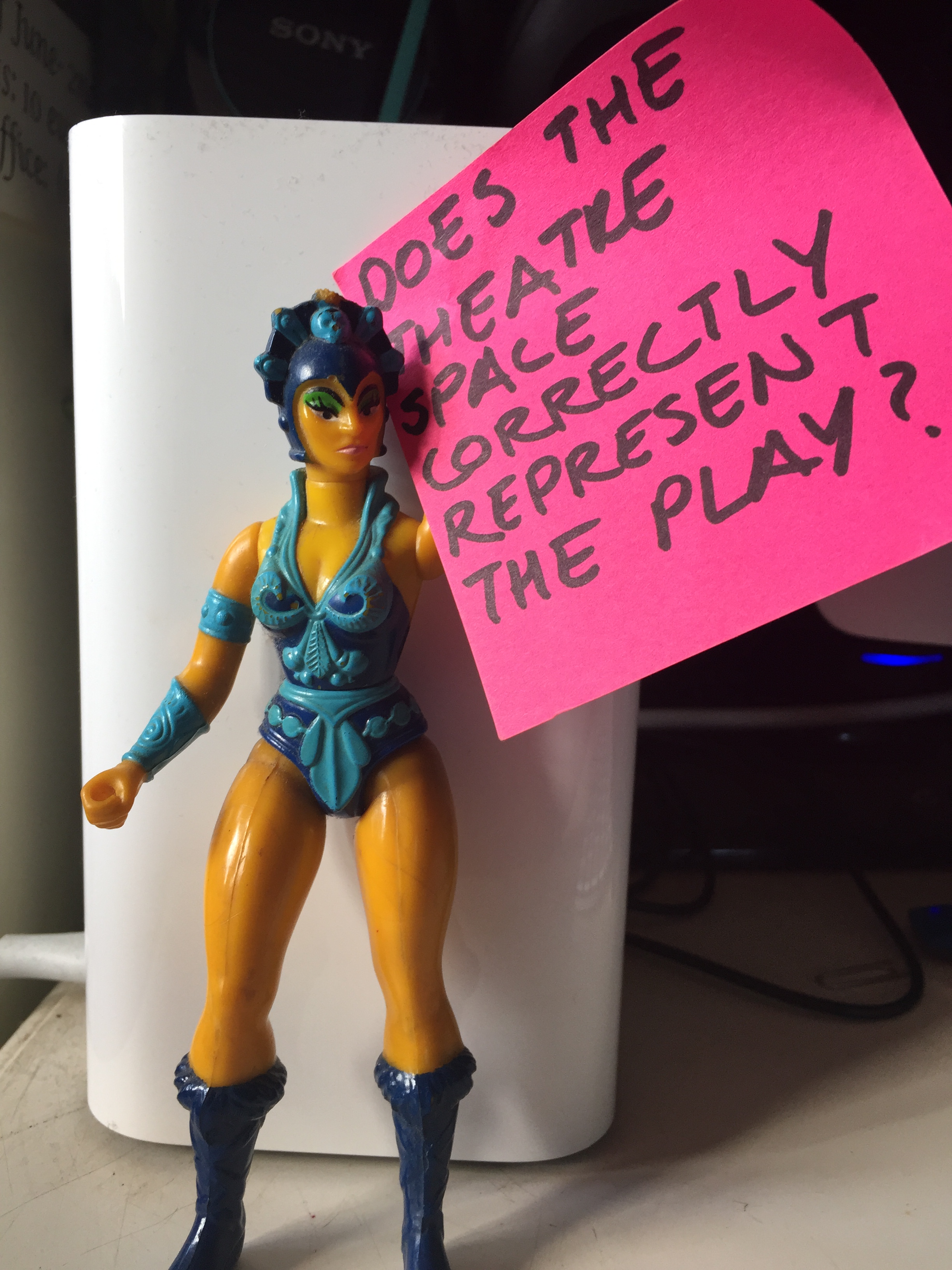
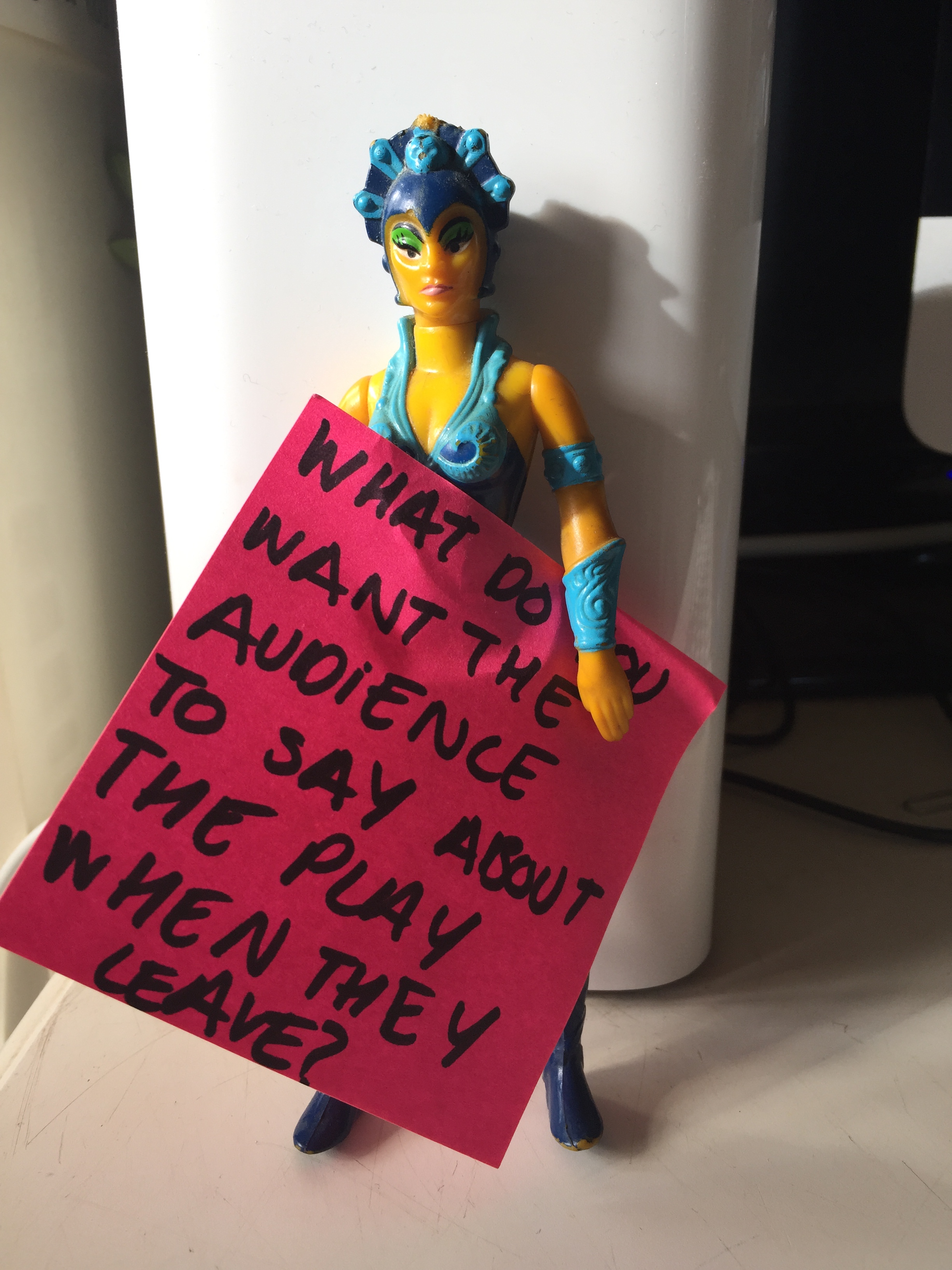
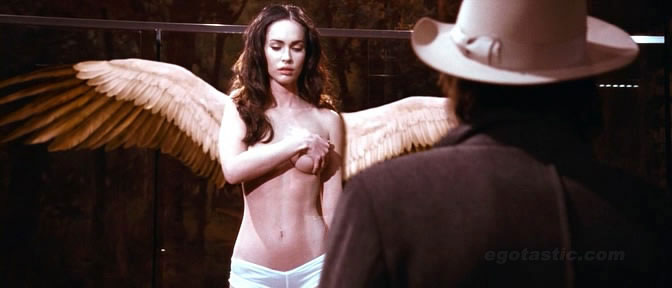
If not here is Evil Lyn, she helps me with a lot of my projects. She is incredibly intelligent but does have a tendency to become a bit over powering claiming that she will rule Eternia. Here are some questions that I put in dramaturg reports concerning audience development specifically with theatre companies.

As Lyn beautifully poses, do you think the space where the play is being performed is in harmony with context of the play?

As Lyn beautifully poses, do you think the space where the play is being performed is in harmony with context of the play?

Do you think you need to add anything to the theatre experience, this could be food or drink or even decorating the foyer. Or giving the audience information about the play.

Do you think you need to add anything to the theatre experience, this could be food or drink or even decorating the foyer. Or giving the audience information about the play.

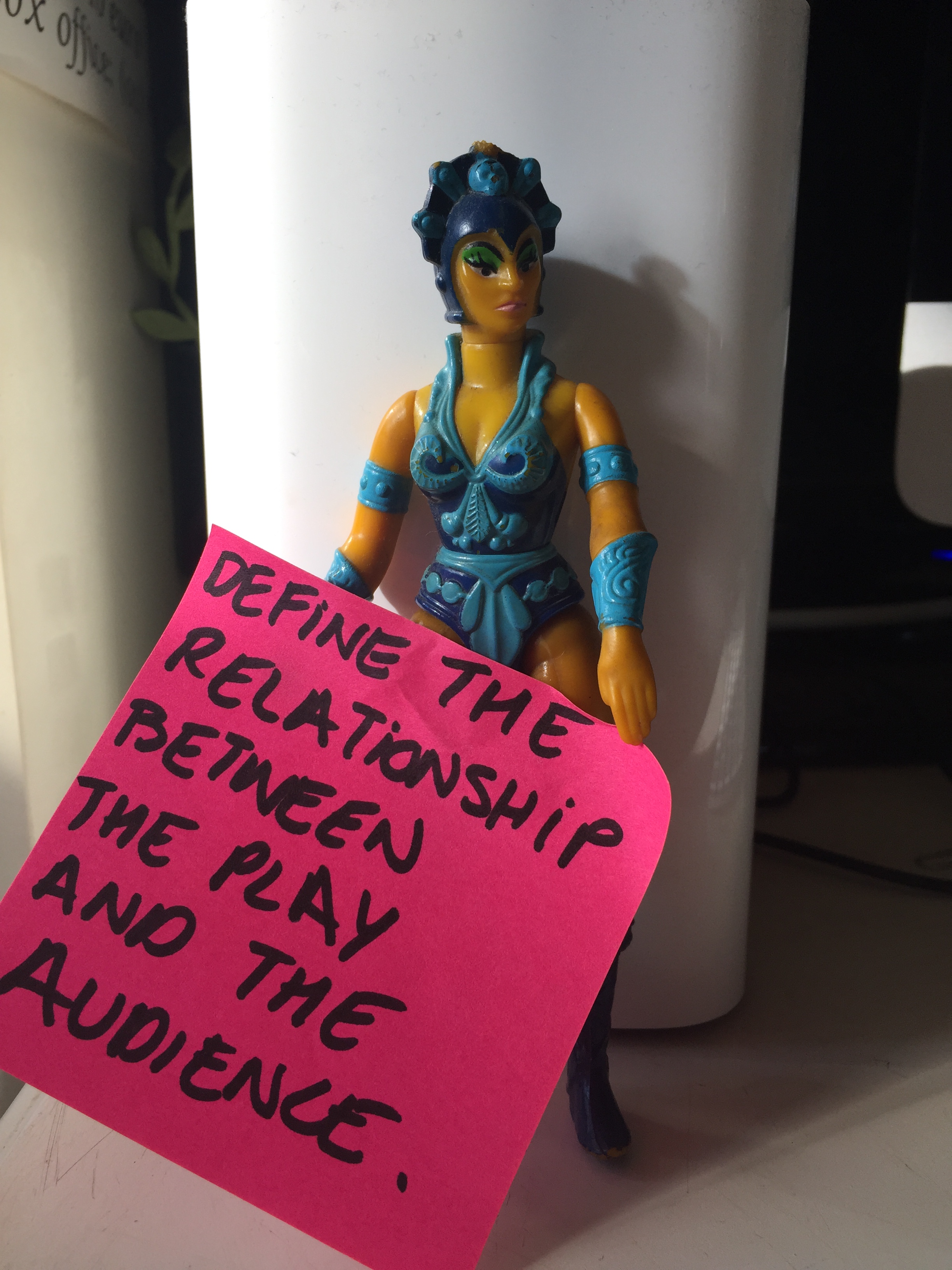
Define how you think the this relationship is created, this is before you ever see the audience.

Define how you think the this relationship is created, this is before you ever see the audience.

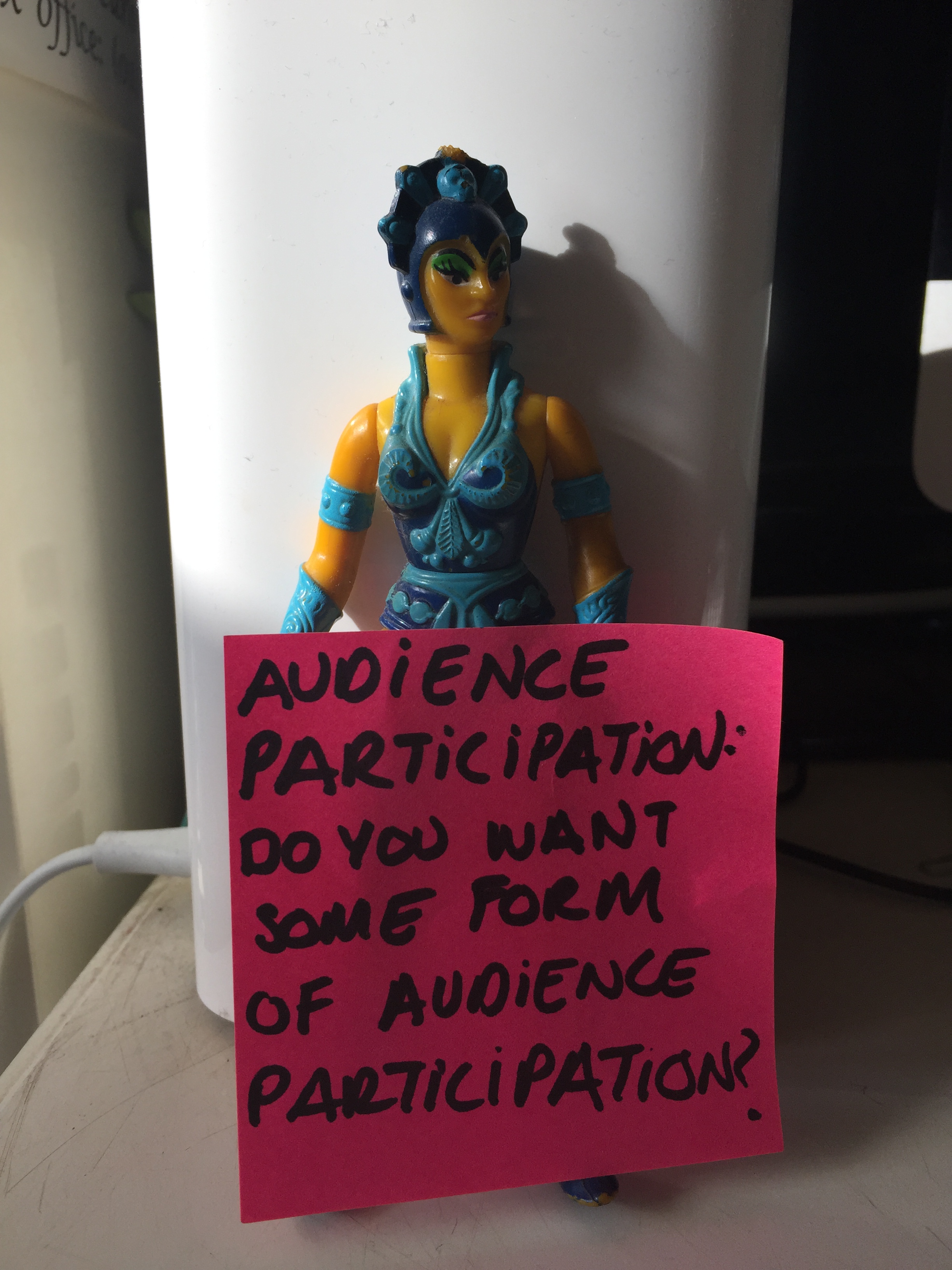
An audience can participate all of which depends on the context of the play. As in it can't come out of random. If you don't want audience participation that is also fine, it all depends on context.

An audience can participate all of which depends on the context of the play. As in it can’t come out of random. If you don’t want audience participation that is also fine, it all depends on context.

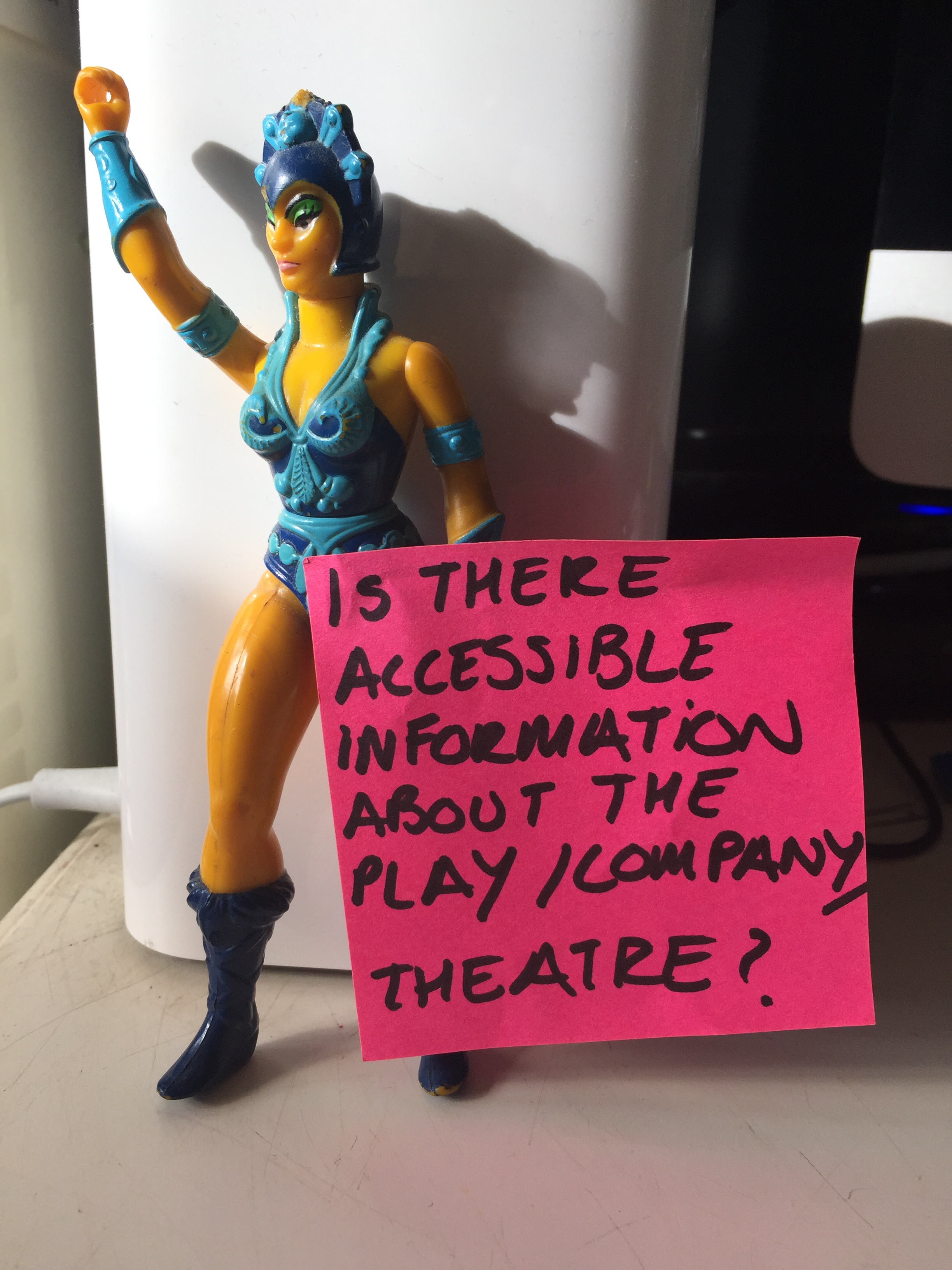
An audience loves information about the work and the company, if you don't have the funds to create programmes why not put info on the wall.

An audience loves information about the work and the company, if you don’t have the funds to create programmes why not put info on the wall.

What do you want the audience to say about the play when they leave?

What do you want the audience to say about the play when they leave?

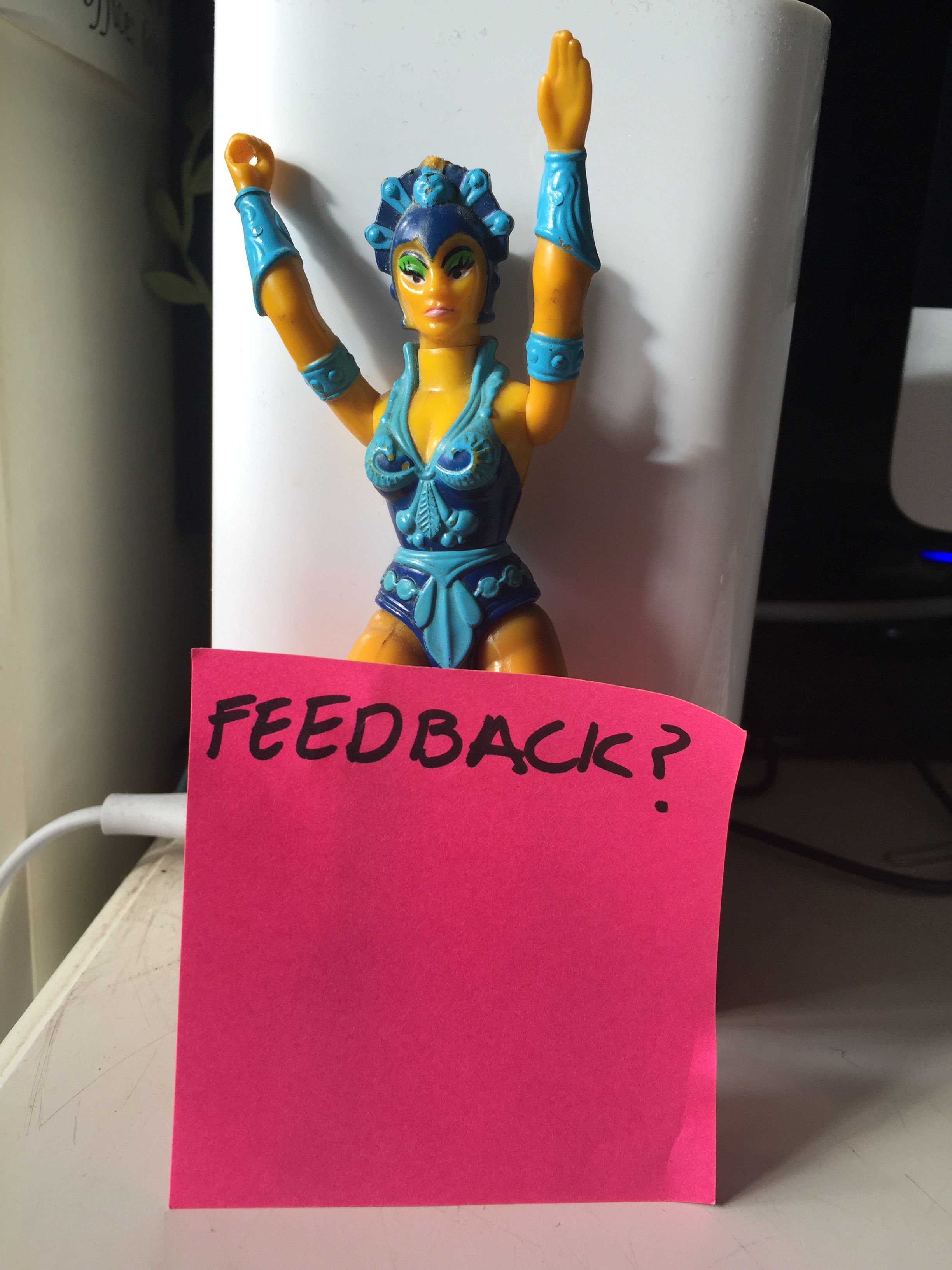
Ask the audience for some feedback either on paper or online.

Ask the audience for some feedback either on paper or online.

Thanks Lyn for all of your help. As Lyn has shown, audience development can be embraced into your theatre making, sometimes it makes it a bit easier, don’t believe me, well, fine then! I do realise audience development can also be interpreted into a different process to what I have described but that is because I have related this process to the dramaturgy of a piece of work, or the context of a piece of work with relation to the audience.

Don’t worry the next dramaturg report will be more coherent and less about Jessica Fletcher.

That’s a lie.

Thank you for reading with your eyeballs.

All rights reserved to Katie Poushpom, k.e.poushpom

Leave a comment

Filed under dramaturg report

DRAMATURG REPORT NO.5 THE INFORMATION PICTURE GAME

The Information Picture Game- to make your brain cry or laugh. Or both.

In no certain rhythm or rhyme are some random facts you probably know or don’t know. Put onto this blog to share my dramaturg love for theatre information, or more so random theatre information. All were found from the Penguin Theatre dictionary, along with the first image that appears when I type the word into Google to see if paper matches or even resembles the modern internet machine. Both informative and a fun game for all the kids to try at home.

JONGLEUR

A travelling entertainer of a type common throughout Europe during the Middle Ages. The jongleurs included both men and women who, embracing such diverse theatrical skills as acrobatics, juggling, and singing, sometimes performed only their own material (in which case they were also called trouvéres) ; such entertainers usually worked as solo performers.

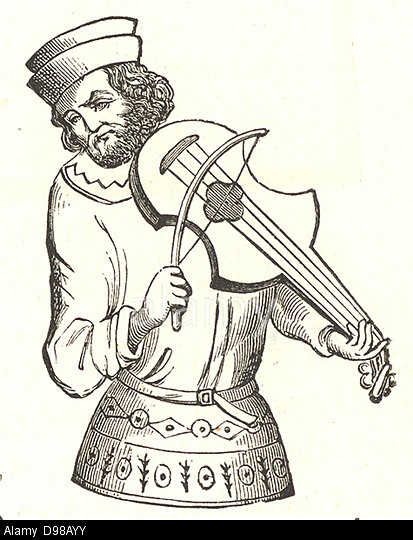
Clearly this jongleur means business. And an apt picture, good work internet.

Clearly this jongleur means business. And an apt picture, good work internet.

RISE AND SINK

A former method of changing an entire set, by means of which the upper half of the scenery on the stage rises into the flies and the lower half sinks into the cellar, revealing a new set behind.

Doesn't even slightly match the definition. But instead looks like the front of a poetry book written by a depressed fish.

Doesn’t even slightly match the definition. But instead looks like the front of a poetry book written by a depressed fish.

STURM UND DRANG (Storm and Stress)

A German theatrical movement of the later 18th century that anticipated many aspects of Romanticism. Taking Shakespeare as their model, such writers as the young Goethe and Schiller reacted fiercely against Neoclassical drama, tackling such themes as social injustice in highly emotional terms. The movement’s philosophy was largely derived from Rousseau’s writings, and took its name from the title of a play by Klinger (1776). The form was highly influential upon the development of Melodrama and spawned subsidiary genre, the Ritterdrama.

Who could forget the most popular boy group of the 18th century.  Miss those guys.

Who could forget the most popular boy group of the 18th century. Miss those guys.

DRUM-AND-SHAFT SYSTEM

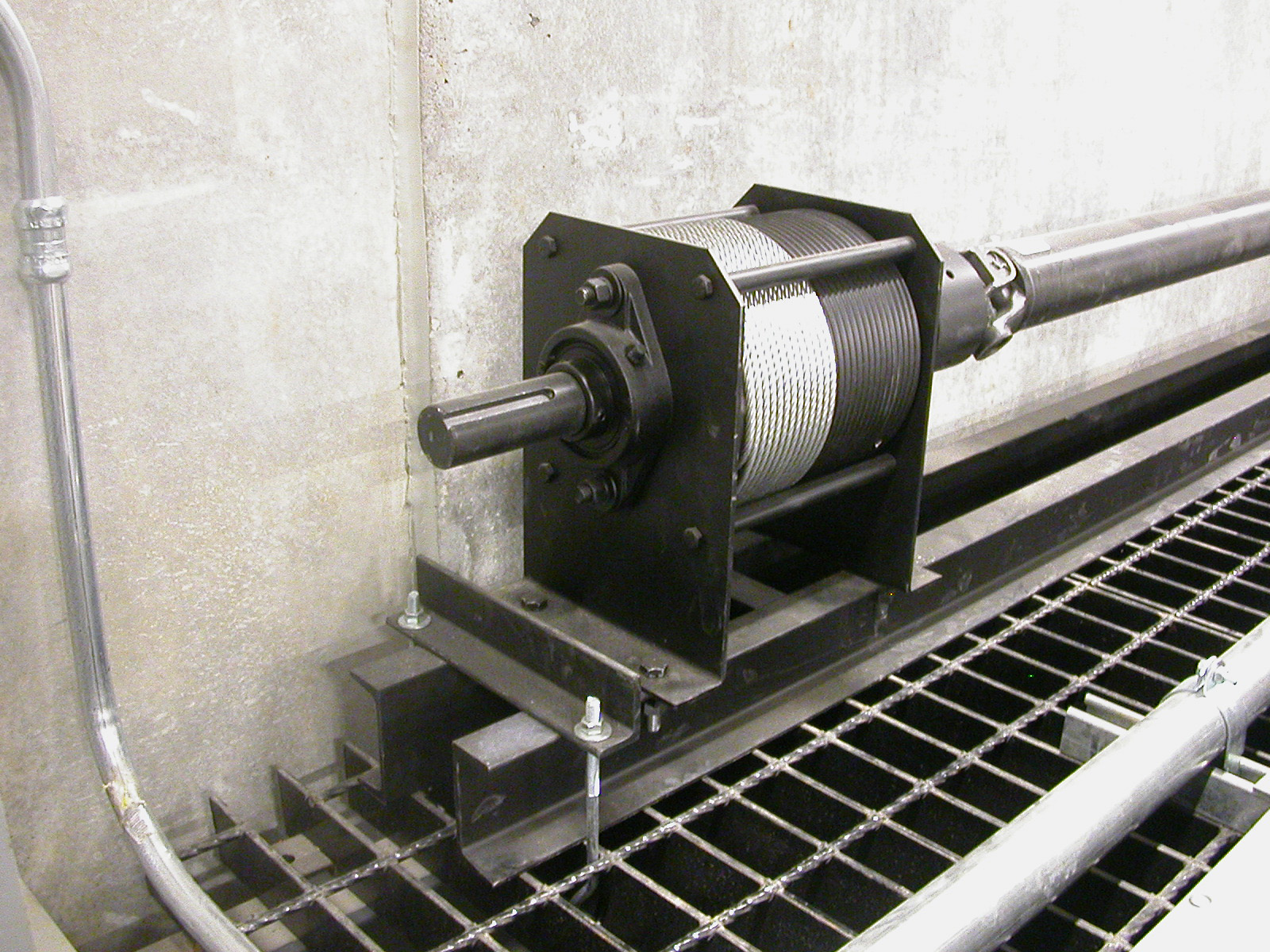
An arrangement of lines attached to a central drum above the stage, enabling several heavy pieces of scenery to be moved at the same time. Widely used in the Renaissance and Baroque theatre, the system was gradually superseded by machinery capable of moving items of scenery simultaneously but independently of each other.

Drum and shaft base

SATYR-PLAY

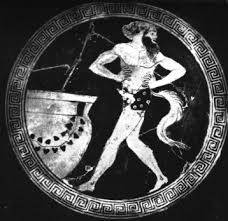
A farcical entertainment of the ancient Greek theatre, compromising an obscene burlesque on legendary themes. It was usually the work of the same author who wrote the trilogy of tragedies with which it was performed at the Dionysia. The satyr-play always included a chorus of satyrs, borrowed from the cult of DIONYSUS, who appeared as half human and half beast. The first writer of the satyr-play in Athens was, by tradition, Pratinus of Philus; subsequent practitioners of the form included Euripides ( author of Cyclops, the only intact surviving satyr-play), Aeschylus, and Sophocles. Aristotle claimed that Greek tragedy was directly descended from the satyr-play.

satyr play

PASSION PLAY

A genre of medieval liturgical drama, depicting the events surrounding the Crucifixion.Traditionally performed on Good Friday, the Passion play was popular throughout Europe from the 14th Century until the Reformation and was often presented in the open air. The most famous surviving example is that given every ten years at OBERAMMERGAU.

passion play

BOULEVARD PLAYS

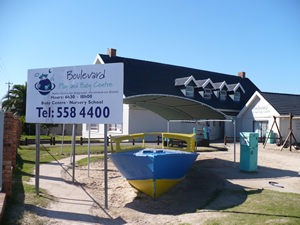
A form of popular French drama of the late 19th and 20th centuries, equivalent to that presented in the West End in London and on Broadway in New York. Traditionally encompassing farce and domestic drama, the genre developed from the plays performed in the fairground booths of Paris and reached its peak before World War 1; it has since declined. Successful playwrights of Boulevard plays have included Feydeu, Labiche, and Achard.

boulevard play

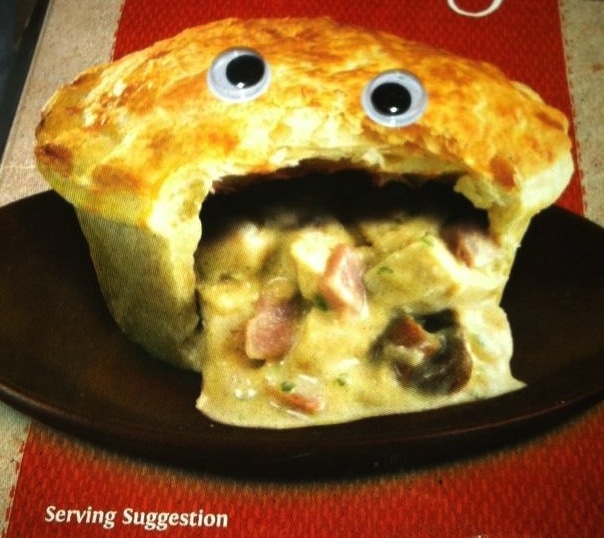
DROLL

A short comic entertainment that developed in England during the 17th Century, when more elaborate drama was difficult to present without attracting the hostile attention of the Puritan authorities. It often consisted of an extract from a longer play and usually included a dance; the most famous performer of dolls was Robert Cox.

droll

BARKER

A person employed by a theatrical company performing at a fair or other similar event to attract an audience to a show. Such barkers were employed in classical times and subsequently became a common feature of fairgrounds throughout Europe and the US.

Barker

MACCUS

A character of the Roman atellana, whose popular appeal lay in his innate stupidity. He was a central figure of a number of plays by such authors as Novius and Pomponius, in the titles of which his name appeared; he was probably presented as a greedy peasant.

Maccus...

All rights reserved to Katie Poushpom, k.e.poushpom

Leave a comment

Filed under dramaturg report

DRAMATURG REPORT NO. 4

LAISSEZ FAIRE WITH A BEAR.

laissez faire
Such an exhilarating week, I feel so conflicted which part of the excitement to relay and reminisce about…and I have just realised that my sarcasm will be immediately misunderstood because I am communicating through a keyboard and not able to convey my theatrical and over exaggerated facial expressions. No one said a dramaturg’s life was all candy floss and unicorns, its hard work along with balanced with several other jobs. Why is this because food is fucking expensive and as humans you need it every fucking day, god damn it has science not caught up to my ridiculous need of less food more energy to survive. I don’t ask for much.

Which brings me onto my dramaturgical discoveries for the week, this isn’t an awkward transition, this is a Poushpom-ism. Keep in mind there is a writer some of you may know as James Joyce developed a whole career inserting awkward transitions in his writing, I mean third person narrative.

Time for some DD’s, in terms of dramaturgy not the bra size.

Videos, videos, videslos.

Videos will be arriving next week to internet land! Everything I kept saying years ago enplaining anxiously that it would happen next week is actually happening next week! You see, I’m not a liar just forward thinking, really forward thinking. Dramaturg-ing this work involves well everything about being a dramaturg with a few additional skills. Like a dramaturg but with a Batman belt, but instead of a Batman belt it’s editting software. And instead of a cool side kick like Robin, I have a needy medically demanding dog called Bear who will not rest until he eats food measured to his body weight.

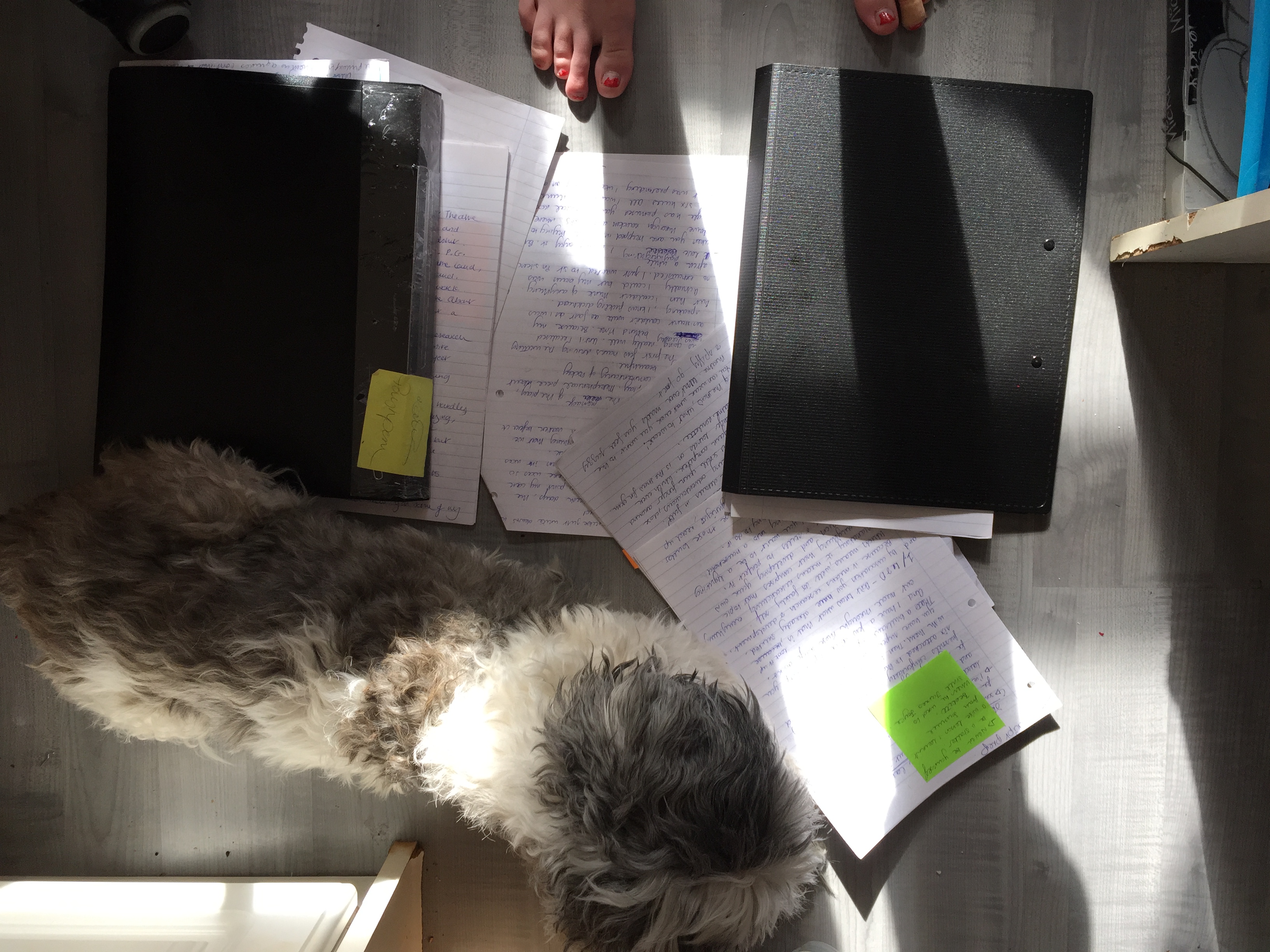
The minute the paper touches the ground he literally leaps onto it to sleep on it. Now I know why people won't sit beside me in meetings when I take out my notes.

The minute the paper touches the ground he literally leaps onto it to sleep on it. Now I know why people won’t sit beside me in meetings when I take out my notes.

Within this project the main things Ive been concentrating on are clarity and continuity throughout the videos. That all my findings and ideas are conveyed coherently. That there is total harmony within the narrative of the stories and research that I am discussing in each video. More so, that I can translate the workings of my brain to a familiar linguist, and less like a mad verbal patchwork. It’s not my fault its society’s fault for not being able to understand the idiosyncrasies at which my brain operates.

Now I understand what he is talking about.

Now I understand what he is talking about.

RESEARCH

I’ve probably mentioned this a few million times, as a dramaturg you do a lot of research. While trying to do my online work I decided this would be a great time to teach myself French so I could broaden my translation skills as a dramaturg, not just become a random translator.

Now I didn’t just begin to learn French because I like adding more things to complete to my ridiculous workload but from a project a did about a year ago when I was researching French theatre from the 17th century. I came across a lot of French words (obviously!) some I knew and some I didn’t know, and when I would look up some of the words, they didn’t exactly have the same meaning as the content to the rest of the sentence.

While I was researching French theatre I came across some French words, no surprise there. Flicking through my incredibly basic secondary school english-french dictionary, the more I translated the less I knew about the subject. It was like successfully finishing a sudoku on a easy level and then suddenly being handed a hard level of sudoku that I had to complete with my eyes closed while reciting a futuristic poem.

For example, there is a style of theatre called comedie larmoyante , which according the Oxford English dictionary is a mix between comedy and tragedy. But when I researched more into the genre it is actually a style onto itself and is more notably called sentimental theatre. AND comedie doesn’t mean it is necessarily a comedy but also means play acting or to put on an act, I found this with the help of books because internet land was too busy trying to sell me some black shit that cleans your face. The meaning of the word changes due to the syntax. It taught me an incredibly valuable lesson about being a dramaturg and working with languages that I’m never going to truly understand it to its fullest and truest meaning unless I have a broad grasp of the language otherwise my ignorant brain will be telling future clients working with French theatre about sentimental comedy. Why did the chicken cross the road? Because his inner child felt the need to recall nostalgic memories about his fellow chickens that did not cross the road.

So now Im learning French.

My aim is to look as smug as Jean while chewing on some straw in some random barn.

My aim is to look as smug as Jean while chewing on some straw in some random barn.

All rights reserved to Katie Poushpom, k.e.poushpom

Leave a comment

Filed under dramaturg report

IT’S A HAPPENING- DRAMATURG REPORT NO.3

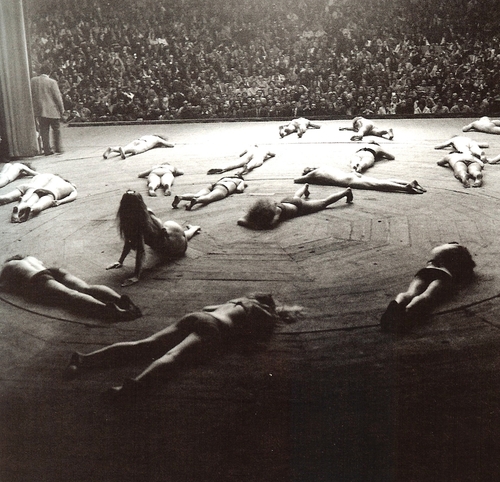
According to Google this is a happening in theatre.

According to Google this is a happening in theatre.


It’s a happening. I’m not just using terrible syntax, but referring to a happening in the theatrical sense. A happening that occurs randomly and somewhat out of context of a play or social situation. Like with a lot of theatre work when it begins to come together it does feel like a happening, after trudging through creative frustration , working endlessly through the night and constant body shaking because you have developed a serious coffee problem then suddenly it all comes together. It almost jumps out at you like a happening in a play, giving you new life, thoughts and reduces your anxiety to only two panic attacks a day. Which is convenient transition to my dramaturg week.

Theatre Bound- Bound to theatre, bound to art.

I’m putting together a new channel online called Theatre Buond. A project I have been working on for an EXTREMELY long time about all things theatre. Theatre Bound is an artistic entity aimed at discovering and creating new ways of how we produce and view theatre. As a dramaturg the biggest issue or concern with releasing Theatre Bound to the world was where would I situate Theatre Bound to effectively practise the ethos. Where else than the digital world. Although there are institutions that exist within the internet, they exist as a platform that do not have any artistic restrictions and present a boundless amount of freedom to discussing theatre in its entirety. Theatre Bound is about discussing theatre (with a slant) and practical investigations into theatre land.

IMG_1260
It is really exciting and terrifying releasing Theatre Bound into the world, similar to a rollercoaster that has sharks at the end of the ride. All will be revealed, as in Theatre Bound not a rollercoaster with sharks.

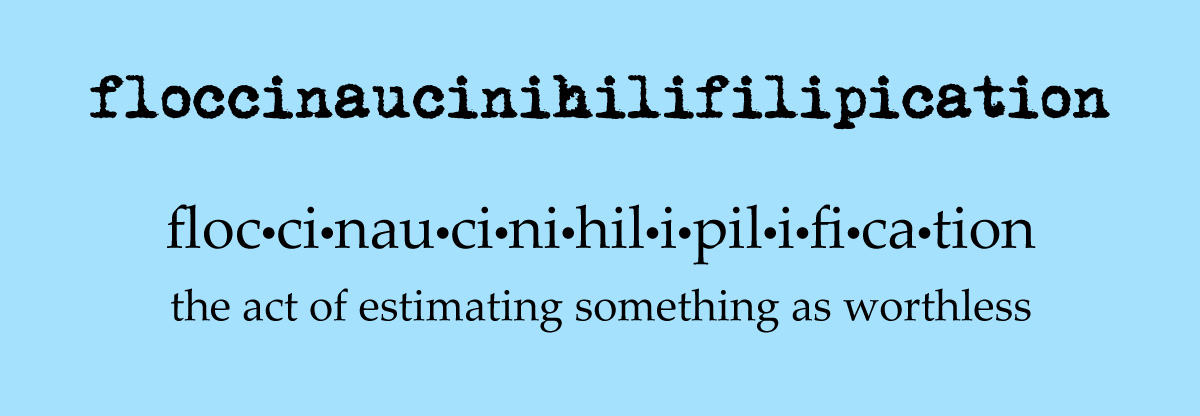
Floccinaucinililpilification

A good while back I decide to study a theatre dictionary and encyclopedia. And I’m still enjoying it immensely. That’s it. Oh and I found a word the other day on dictionary.com that is the above in bold lettering. It means the estimation of something as valueless or worthless. Its so insanely long and mind bending to pronounce but oddly enough when you see it you cant get it out of your brain. You close your eyes and its there.

You’re welcome.

The F-word

The F-word

DOLLAMINE ADAPTIONS

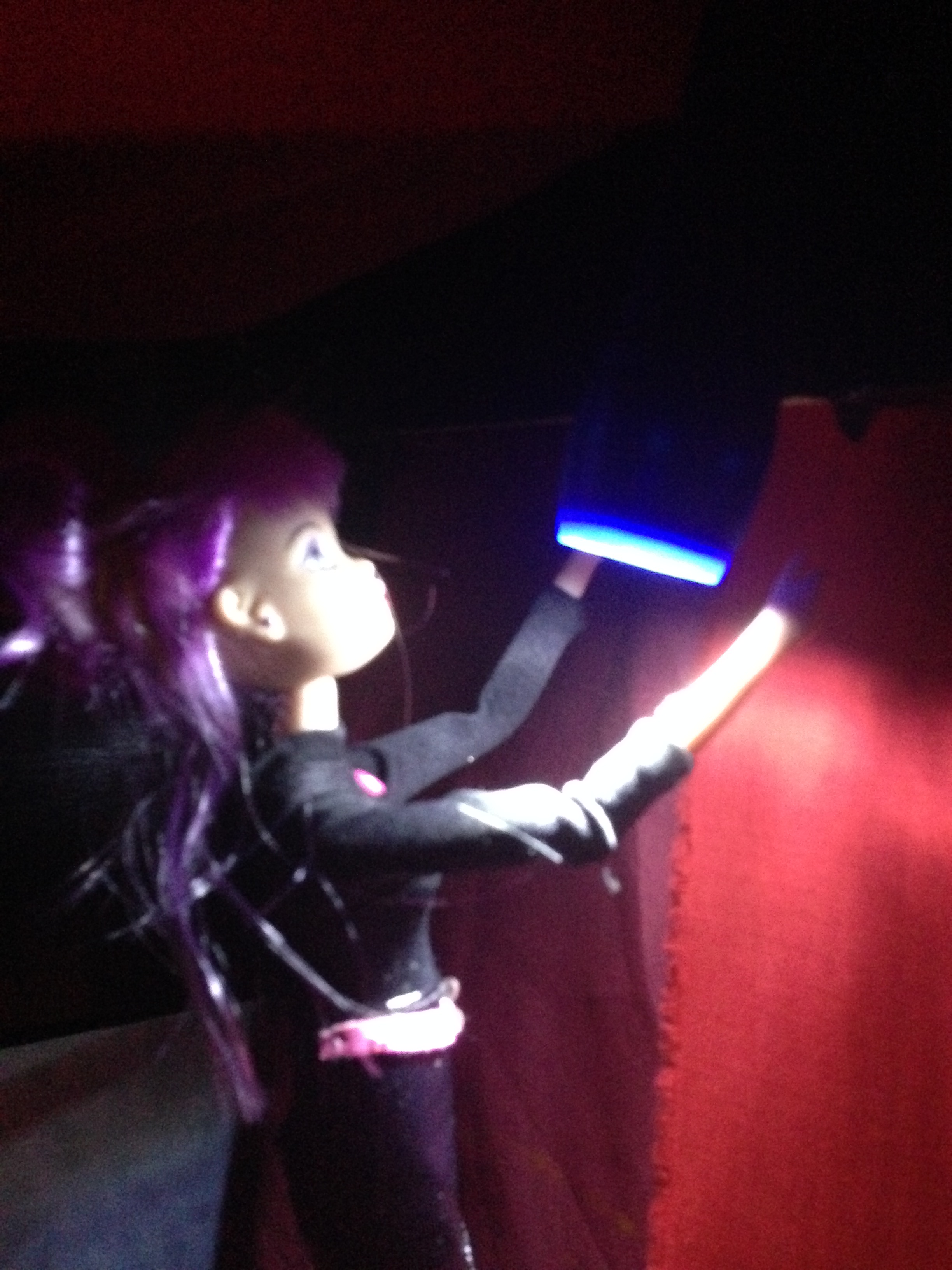
My lifeless cast has finally started to cooperate with me. We wont question this, just let it be like a pleasant zen buddhist monk. Unfortunately my wee lighting rig has refused to operate anymore, but thats ok I have a tiny lighting tech on the case.

It's hard life being a lighting rig with no real fingers.

It’s hard life being a lighting rig with no real fingers.

The play being adapted is an ancient Greek play, I chose an ancient Greek play because as I read it I found it hilarious. Not because of the content, but what the content would look like on a 21st century stage.

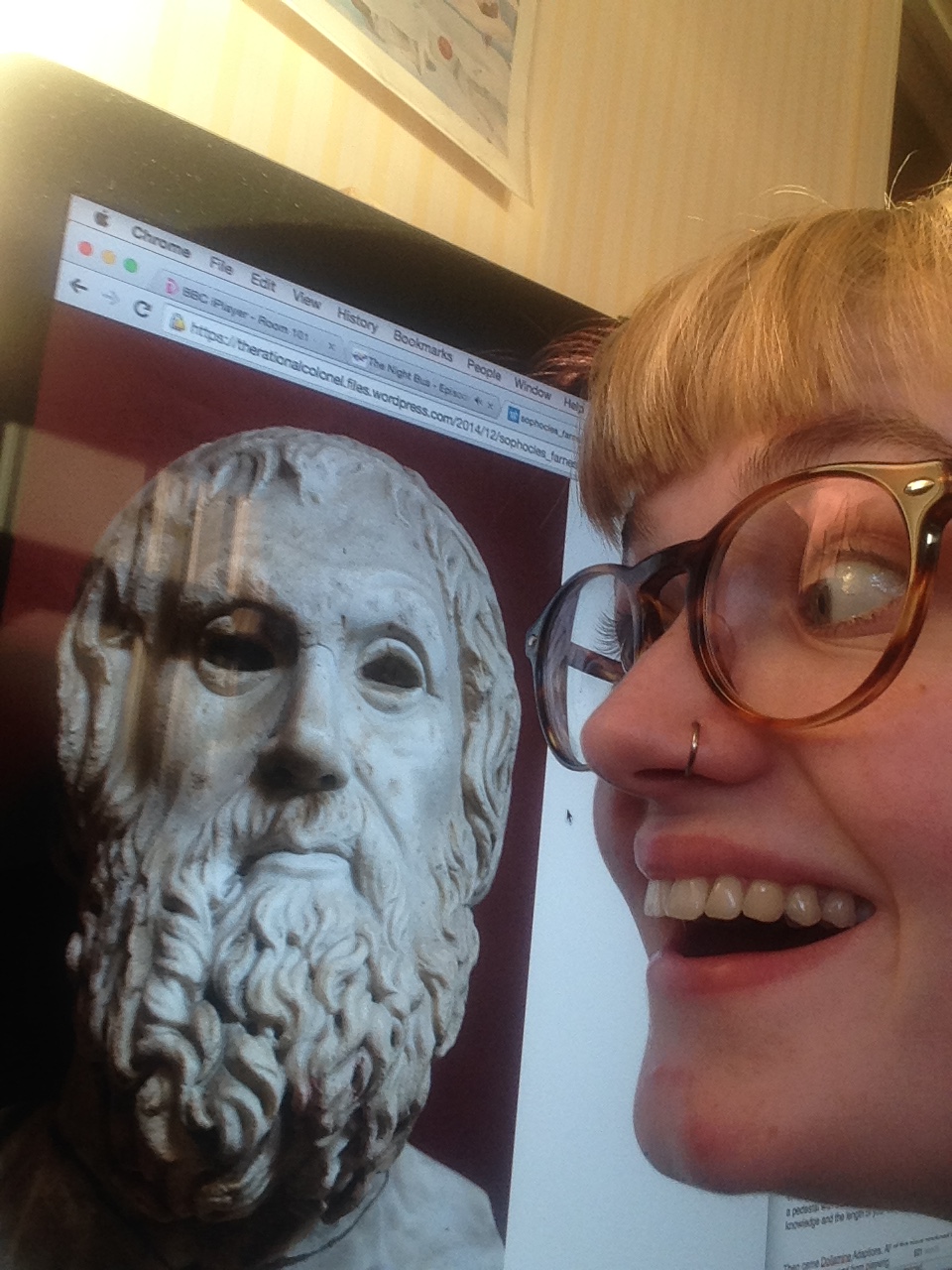
Sophocles and I are best mates.

Sophocles and I are best mates.


I have always been so fascinated how some theatre goers or enthusiasts talk about plays and playwrights with such zest and passion as if they were there when the play was first performed. I remember years ago when I was in college I was talking to a random man about theatre, well he wasn’t random he was a friend of my friend that I was forced to socialise with. And he would not stop talking emphatically about Sophocles. So out of my own boredom and interest I did the unthinkable I told him I didn’t like Sophocles AND didn’t see the point in his work.

I do like Sophocles but I don’t understand the possessive terrority that comes with being a Sophocles enthusiast or any theatre in that sense.

To say his blood boiled would be an understatement. He then went on a rant about all of the articles and writings he has read to clearly prove me wrong. After what felt like a small lifetime of Sophocles talking I told him I was joking that I did like Sophocles and that I only said it to see his reaction. Which he then responded with the oddest look. Which was then followed by you probably thought you didn’t like him because you are one of those feminists. He said something else afterwards but I didn’t get to finish the full conversation because I had to burn my daily phallus effigy.

ANYWAY, with really wonderful theatre gestates clubs or communities of passion and appreciation. Which I find dilutes theatre, instead of experiencing theatre it is instead shoved aggressively on to a pedestal with a strict hierarchy below it, which is constructed according to your breadth of knowledge and the length of your boner. Like finding the area of a square in maths.

Then came Dollamine Adaptions. All of the plays produced through Dollamine Adaptions are plays that I really enjoy and from playwrights I really admire. Which I then deconstruct to be told through dolls, why, because theatre is to be experienced.

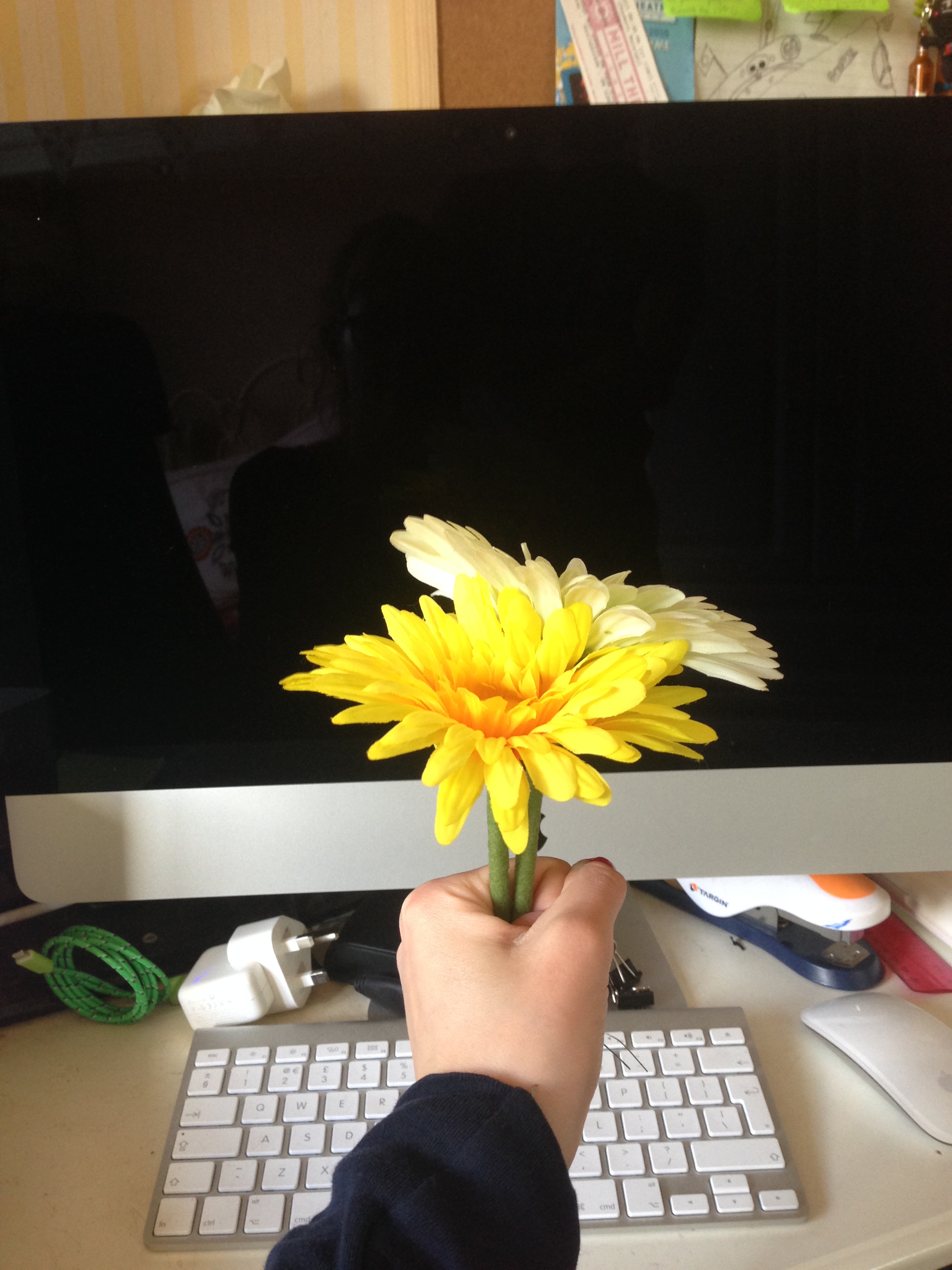
Thanks for reading, here our some flowers.

Not real ones, get it together its the virtual world.

IMG_3502

All rights reserved to Katie Poushpom©

Leave a comment

Filed under dramaturg report

I think my computer is Hal. Send help.

I THINK MY COMPUTER IS HAL. SEND HELP.

Watson HAL9000

Watson HAL9000

For some unknown reason the minute technology is put into my possession it either corrupts itself or malfunctions in some manner with a quick note from my computer saying ‘its not for you’. At the moment my work is heavily involved with videos, editing and creating a habitual space online with theatre bound. This is no easy task.

In October 2014, I completed about four months of work, which included about two years of continual R & D, completed work and prep for other projects. All of which I had put onto my hard drive. A hard drive I had bought under the pretence that it was almost child proof, to fulfil my accident prone needs. As I finished my practical challenges which involved writing a play in an eight hour car journey, to see if creative writing was possible under intense time constraints. During the drive I had created a strategic plan of organising all of my electronics in the back of my car so everything was safe and sound. So of course when I got back to Dublin from Cork I was defiant in my delicate organising skills would protect all the footage and I could create an informative and entertaining video about the challenge. However, as I began to edit all the footage, there was nothing there, nothing. The SD card decided to corrupt itself. Everything was gone, note even an electronic note to tell me what had happened. My tech savvy brother told me effortlessly ‘yeah it’s all gone, you wont be able to get it back. Now will you run down to the shop for me’.

WHY GOD WHY! It’s the theatre gods lashing out at me for making fun of Aristotle, I was eighteen, and his bust does look like he is forcing out a turd.

As I sobbed into the dark hours of the night, I then had to create a new plan for all my work that was lost. By the morning I was ready to get back to work with a positive dramaturgical perspective. With downfalls however, comes greater possibilities. I then began my work and the editing software I had decided to stop working. The software, which I had been teaching myself how to use for a year, stopped operating AND the top of my tripod just snapped off, you know the most important part of a tripod where the camera securely sits, it broke off. Now I just have a dramatic looking metal rod.

From this I told myself this is the universe balancing itself for all the great things to arise in my path. The universal order of all things like the Eros and Thanatos theory. That’s right I’m taking a spiritual standpoint. Mostly to lower the volume of my cacophony of rage filled screams.

The dramaturgical discoveries were bountiful during this experience. One being theatre skills don’t transfer easily to the digital world. Although this is where the translating aspect to being a dramaturg is utilised. For instance, Computer says ‘troubleshooting’, dramaturg says production note. Computer says ‘no internet connection’, dramaturg says ‘research and development’ .Computer says ‘not responding’, dramaturg says the death scene.

Like with any developing play text or performance piece there is a complex relationship that surfaces. Which does not necessarily draw up positive thoughts and experiences.

We are no longer mates.

As a dramaturg you have to remain decisively pragmatic to the process, interpreting each discovery as a possible usable bone to the dramaturgical skeleton and not a bone of contention. Which has been ESSENTIAL to transferring theatre work online.

Peace offering.

And thankfully now after many moons have passed I can finally start uploading work online!

After wiping the many tears and snots from my face induced by literally every piece of technology failing me, it taught me to remain confident when shit hits the fan and even hits you in the face. Even if your computer ominously asks you what are you doing Dave? You simply reply, I am not letting you deter me Hal, being a dramaturg is about persevering through the wonderful theatrical discoveries and the awkward and frustrating obstacles.

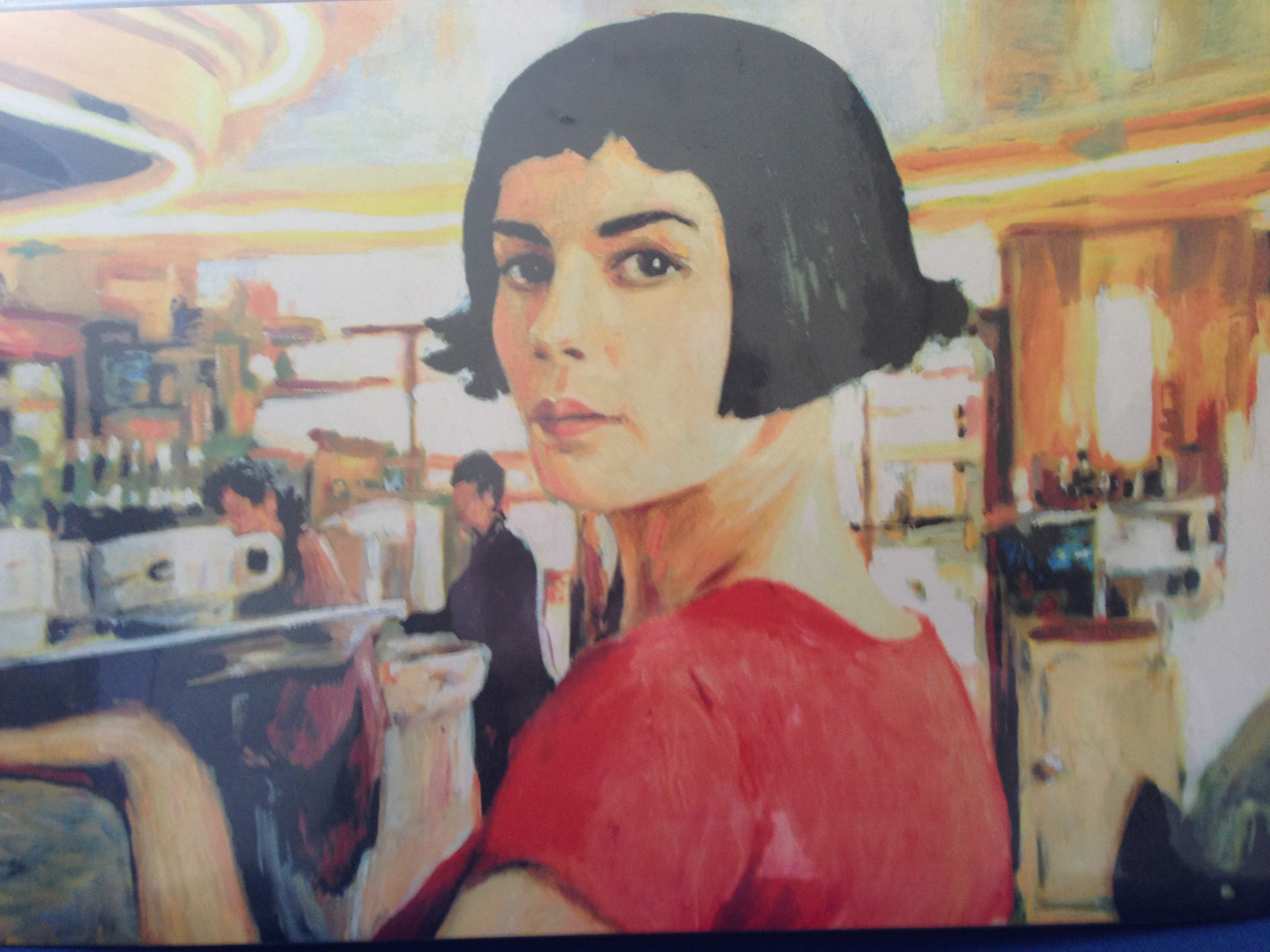
Until then here is a soothing picture of Amelie to get you through the day.

Her face soothes me.

All rights reserved to Katie Poushpom ©

Leave a comment

Filed under dramaturg report

The Dramaturg Report

The Dramaturg Report

The dramaturgy of any play text can be best described as being similar to how a kaleidoscope operates. A kaleidoscope has different shapes and colours strategically positioned within a precise framework. Constructed to effectively and beautifully move and configure to form intricate images. Which is never disjointed without reason, always remaining in harmony with all aspects of the kaleidoscope. The cylinder stage, placed directly in front of the enthusiastic viewer. Such a simple concept combined with such a complex structure, aesthetically and contextually bewildering their audience.

All of a sudden a dramaturg comes in and gently grabs the kaleidoscope and smashes it on the ground.

The viewer stares despairingly and confused at the dramaturg.

The dramaturgs explains…’don’t worry, now I can help you put it together but through the art of ballet’.

And that is the job of a dramaturg. Don’t worry dramaturgs aren’t that violent, that all ended with G.E. Lessing with his hatred for actors and actresses back in the 18th Century. Dramaturgs are becoming a more well known profession, although, there still seems to be a vague cloud of confusion of what they actually do within the theatre industry Which is when I decided to start writing the Dramaturg report.

The dramaturg report are entries of my adventures, maybe adventure is a bit of exaggeration, but my experiences of being a dramaturg. Also some additional information about Dramaturgs and Theatre land both past and present. And beginning to write these entries is a bit like picking up a broken raw egg, you don’t really go at it with any plan but with a lot of implements and anxiety. There is egg everywhere, picking it up just seems to make the rest of it spread and wriggle everywhere. You don’t know what to do because its not just on the floor but on your clothes, some has even landed on the dog!

Anyway I digress, these entries are just about the daily happenings of a dramaturg, pursuing a somewhat strange and unconventional endeavour in theatre.

ACT ONE

DEUS EX MACHINA MOTHER FRITTERS

It is I, now smell my feet.

It is I, now smell my feet.

At the moment I am reading a theatre dictionary, and it is the most fascinating book I’ve read in a long time. At the end of each definition there are more words to guide you through the book at random. Each word bringing you to a new linguistic destination of information. Not to everyones taste, I understand, because everyone else must be empty inside.

I re-found Deus ex Machina and remembered all of its dramaturgical magic. Here is the phenomenal definition below. Look below these words and you will find it…now.

DEUS EX MACHINA

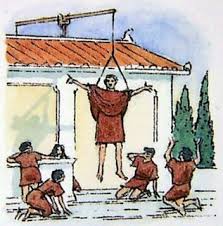
In a play, the sudden and unexpected appearance of a new character, who immediately resolves the complications of the plot. The term comes from ancient Greek tragedy, in which the deus ex machine would be a god lowered mechanically onto the stage to settle all disputes.

It’s so random and insane its genius. Dramaturgically it’s both anticlimactic and climatic. It resolves everything directly in the middle of the most important action in the plot which could be frustrating to an audience, but it also lands at the apotheosis of the plot which makes it incredibly exciting. The image of a God randomly mounting his/ her self in the middle of a Chekhov draws the biggest smile to my face with excitement. Dramaturgical advice: Why not if you are struggling with you writing , just pop in a God, play finished. Not a wonderful ending but you can have the satisfaction of allowing yourself to think that you finished your play for the day. Not convinced let me bring your imagination to a scene from “Three Sisters”.

VESHININ: I’ve got quite filthy in the fire, I look like I don’t know what.

(A pause)

Yesterday I heard a rumour that they’re planning to transfer our brigade somewhere far off. Some are saying to the kingdom of Poland, others to Chita.

TUZENBAKH: I heard that too. Then the town will be quite empty.

A crash is heard off stage. All of a sudden a bright light is witnessed in the flies. A large gathered gold drape is witnessed with a God delicately positioned in the centre of it. It is awkwardly lowered to hover over the characters on the stage.

GOD: It is I, the God of all things great and sugary. Everything is now resolved and all of the buildings have been miraculously repaired and rebuilt. So we can end the play here. Why, because I said so! Boom! I must leave to further help other distressed plots and maybe some audience members so they can leave soon and get a quick drink. I must leave

Begins to be raised by up to the flies

THE END.

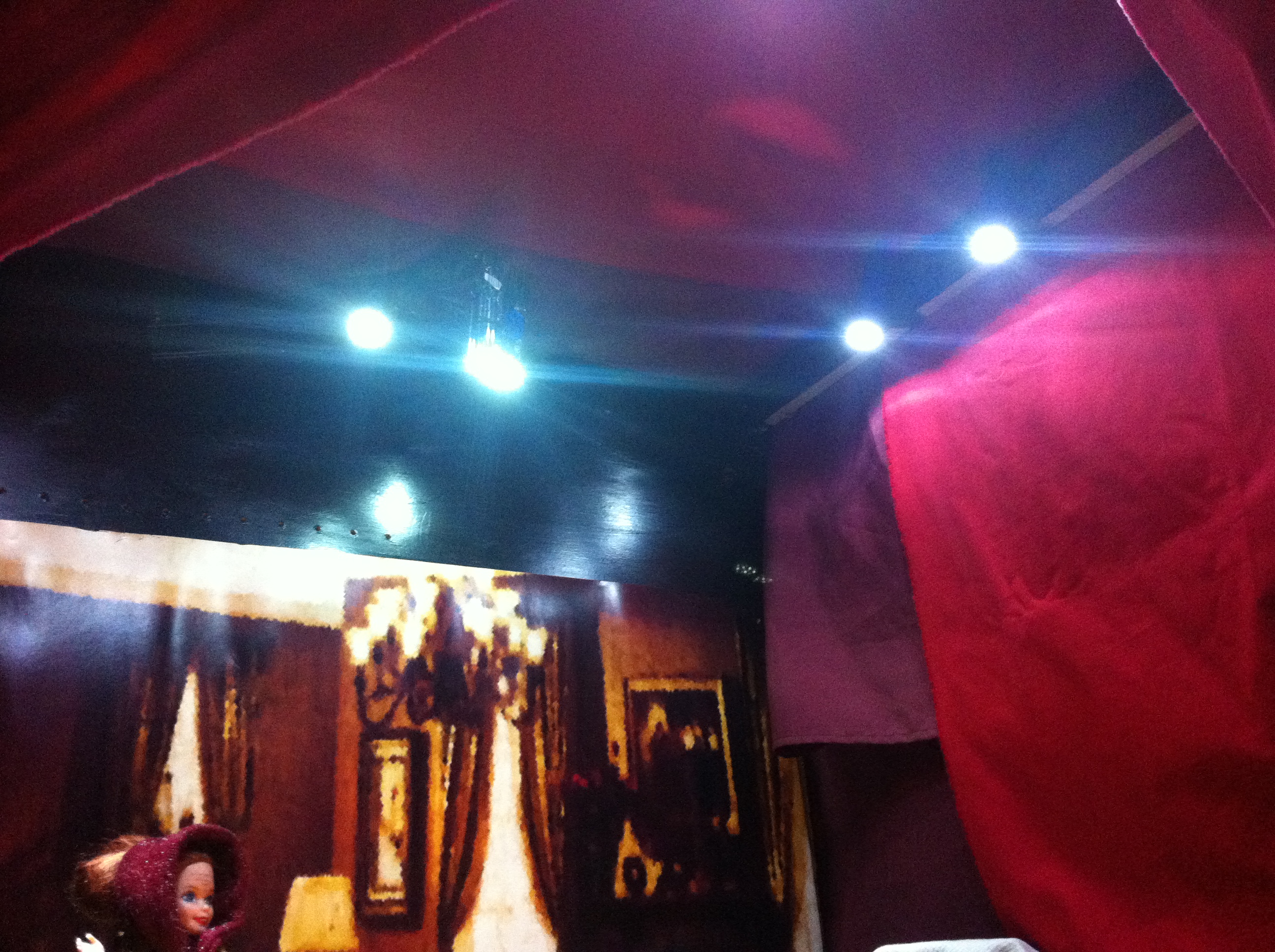
More to the point I was reading the dictionary for my own snots and giggles and for research and development. But it is not R & D like you have ever seen it before, its dramaturg R & D! This involves not only researching all the fine intricate details but forming an established opinion of how all these parts correspond to the particular theatre piece. My own R & D at the moment is for Theatre Bounds project, Dollamine adaptionsg©. Adapting classic plays you know and love, which are re interpreted through dolls.

There are a few creative limitations that pose a bit of a threat to the dramaturgy, their lips don’t move, or their legs, and trying to stand them up is like trying to stand up a drunk friend at the bus stop. The play I chose was Oedipus by my new best friend Sophocles. Transforming an ancient Greek play does not necessarily translate as imminently as I would of hoped, although writing and reconstructing the text was actually really enjoyable. The poetics and syntax of the play is beautifully thought provoking, every line has dramaturgical poignancy to the dramatic structure and Oedipus is actually really funny…at times.

IMG_3274

For Dollamine adaptions© the main components for dramaturgical attention is the medium being used and style of the text. But because this is an unconventional form of theatre making I didn’t have my usual modes of practice so I started with dividing everything into image and sound. Thanks to Sophocles writing a 15 minute adaption came quite easily and dare I say enjoyable. Unlike creating the image…the dolls…the fucking dolls…

Instead of describing the dramaturgical troubles that ensued I shall show you some photos. As John Montague once described in one of his poems words are limited where as images, really show the gritty graphic shit, or something along those lines.

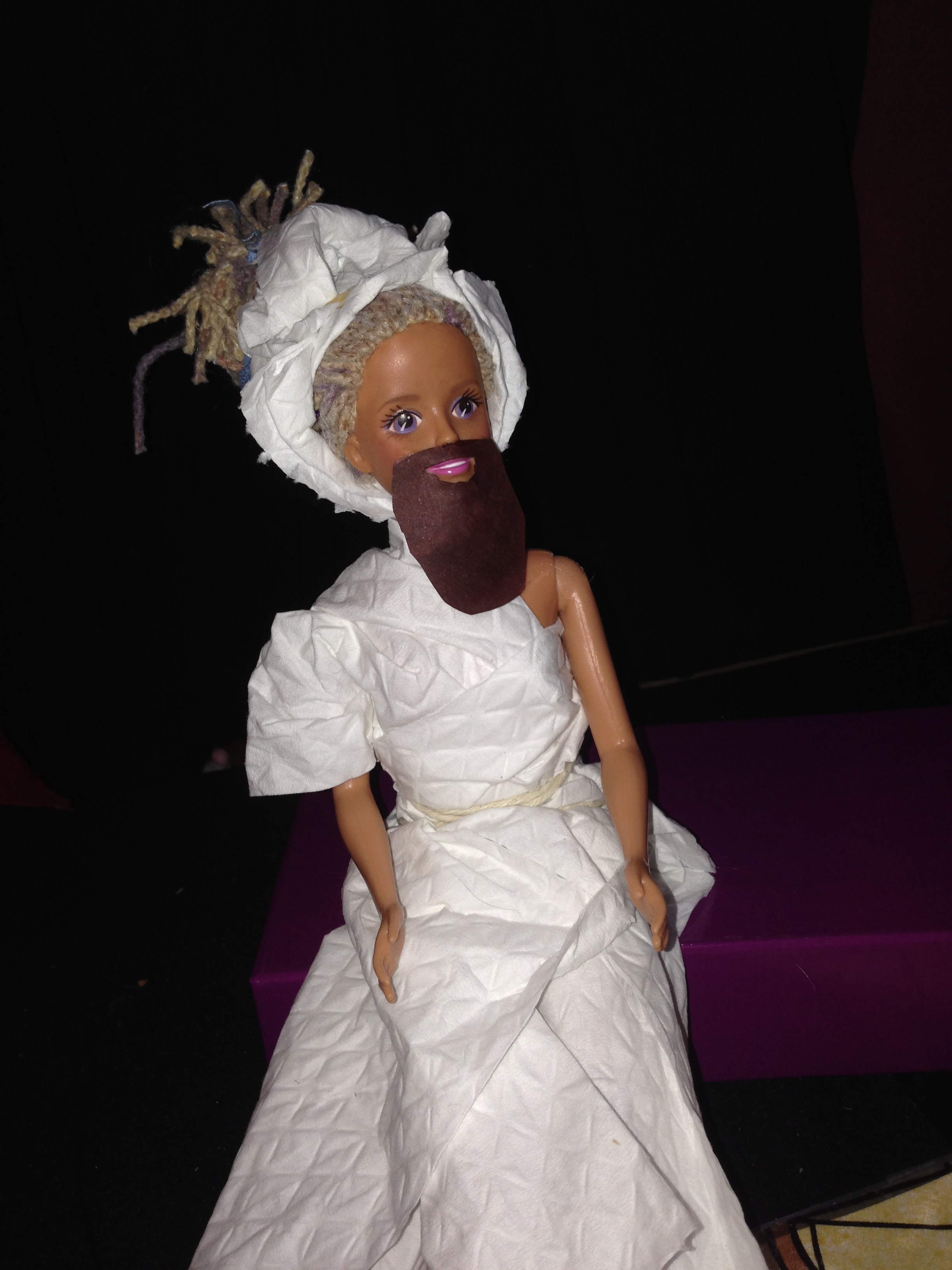
Half way through production I realised I was not a fan of male dolls as a child and had to improvise. Meet Cindy/ Cillian.

Half way through production I realised I was not a fan of male dolls as a child and had to improvise. Meet Cindy/ Cillian.

Then the set decided to fall apart. Oddly enough this was the only time the dolls didn't budge.

Then the set decided to fall apart. Oddly enough this was the only time the dolls didn’t budge.

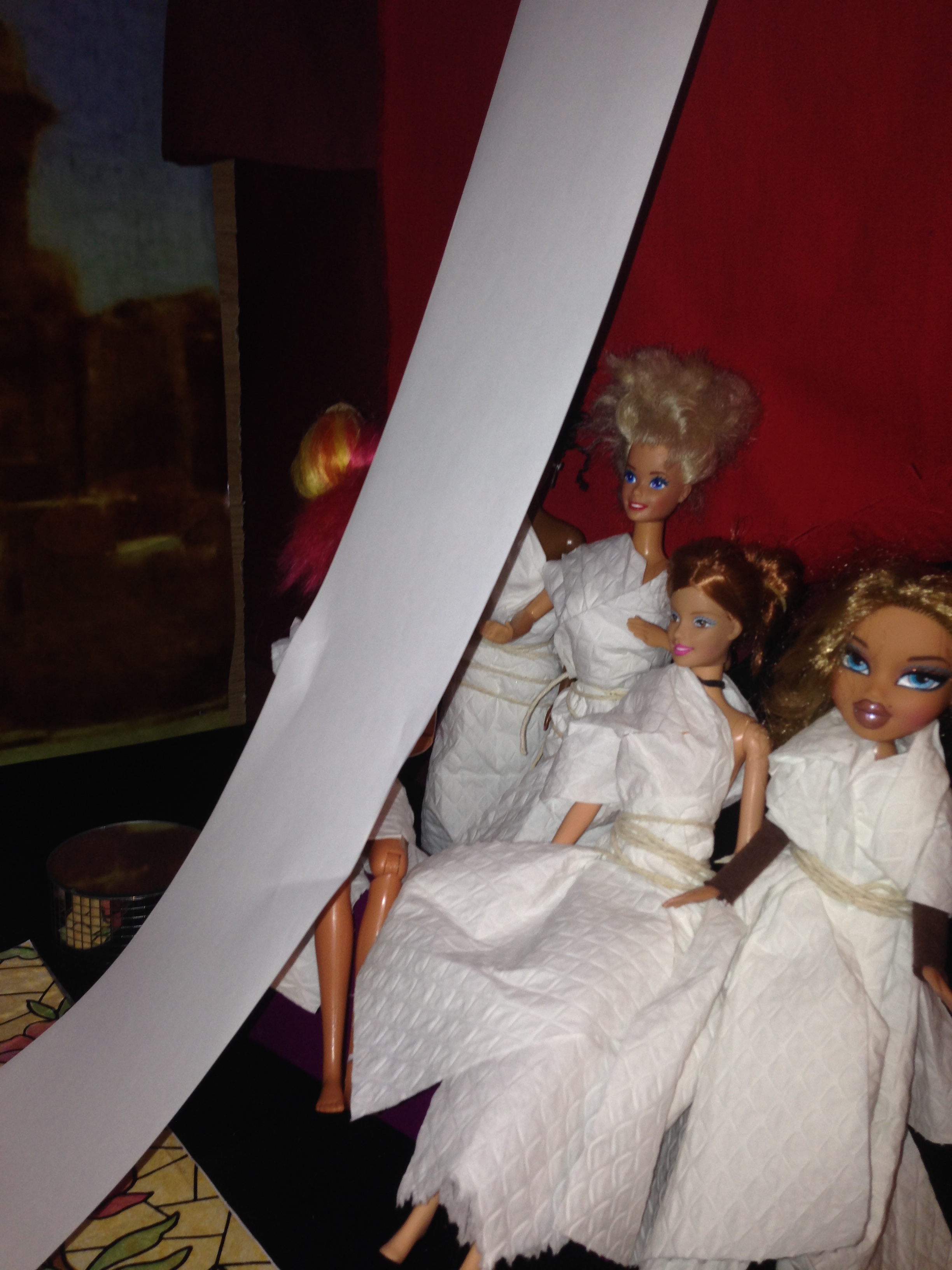
Quick production meeting with the cast.

Quick production meeting with the cast.

Does not mean I don’t enjoy dramaturging (not a real word but I feel it should be)Dollamine adaptions© ,but its always better to show the reality of theatre work. Especially such work that would make Tracey Emin say ‘what the fuck’.

But the biggest lesson I learnt as a dramaturg while working on Dollamine adaptions© that summarises up the profession in one line is…wait what was that.

DEUS EX MACHINA MOTHER FRITTER

IMG_3420
Dramaturg-Tree!
All rights are reserved to Katie Poushpom.
Leave a comment

Filed under dramaturg report

Dramaturg NOT Dramaturd.

Dramaturg not Dramaturd.

Far too often when people ask me about my job I hesitate to do so. Unfortunately the title of dramaturg denotes ambivalence and confusion. The profession of a dramaturg seems to be best understood within academic circles and irrelevant to many emerging theatre makers. Through my own experience in communicating with people both within and outside the theatre scene, it has provoked an all or nothing response. People who are familiar with the job and the position of a dramaturg seem to feel the need to explain everything and anything in what can only be described as an effort to prove their intelligence and sophistication. On the other hand, people who are unaware of the dramaturg jokingly overlook the role of a dramaturg because they are too distracted by the acoustic similarity between dramaturg and dramaturd. The goal of this entry is to outline some of my thoughts as a dramaturg; why a dramaturg is an important entity to involve within the theatre, what a dramaturg does, and how a dramaturg could benefit you and your work. The dramaturg has been an important figure within the theatre industry for over 200 years, yet dramaturgs still seem to look like lonely children in a playground tearfully asking the other children ‘can I be involved?’.

The meanings of the word dramaturg and dramaturgy are unstable, sometimes bitterly so- ‘Few terms in contemporary theater practice have consistently occasioned more perplexity’- yet both words can be traced back to classical antiquity.
Mary Luckhurst, Dramaturgy: A Revolution in Theatre, (Cambridge University Press), pg. 5.

The above quote is from Luckhursts beautifully informative book Dramaturgy: A Revolution in Theatre. For anyone aiming to learn a bit more about what a dramaturg is and the dramaturg’s relationship with the process and production of dramaturgy this book is a must have. Luckhurst covers the etymology of the dramaturg from the Greek Lexicon to the dramaturg’s position in the contemporary theatre. As a dramaturg, Luckhurst helped me understand what the dramaturg’s position is within the theatre structure, where are they positioned and why.
The dramaturg operates within the middle of the external and internal creative process. The dramaturg is the artistic medium that seeks to maintain the quality of art being created, like a quality surveyor. They have an understanding of absolutely everything within the dramaturgy of a production, and are then the voice of reason that reminds the production what is achievable within the creative process and what may be obstructive to it. Unlike any other position within the theatre structure, the dramaturg has the privilege of witnessing the creative process from close proximity but with an objective opinion. Fine then, if we take that into consideration what the frig is a dramaturg!

A dramaturg is a mediator and translator that exists in a neutral artistic position within the theatre. They mediate between the text/artistic intent/ performance to the Production Company and audience. It is the entity that harmonises the theatre company’s efficacy to the audience, acting as a mediator. It acts as translator within the company or production through intense research and development of the piece of work. By this process they have the integrity and insight to pose questions and creative opinions to ensure that the text to be performed is congruous to the efficacy of the production company. Therefore, from this, we can define the dramaturg as an artistic mediator and translator. Another definition of the dramaturg that can be considered is what The Dramaturgs Network notes, how the position of a dramaturg is constantly being considered a ‘luxury and not a rooted position in the theatre industry’. This is due to the vague definition of a dramaturg, dramaturgs duties can easily described as the duties of the assistant director or a literary manager. But it is possible to refer to the term and practice of mise-en-scene and how this process is unique to the duties of the dramaturg. Unlike a director, a dramaturg researches the mise-en-scene of a piece of work both on and off the stage. And unlike a literary manager, the dramaturg must understand the artistic and practical work that is involved. Therefore a dramaturg is a practical artist like a mettre-en-scene. So what does this mythical creature do?

Being a dramaturg is an ongoing consistent process of development. A dramaturg must always know what is happening within the theatre industry, what theatre productions are running, what they are about, do they refer to any social or political issues of the day, and also issues other practitioners are discussing, new waves of theatre and theatre making. Therefore, a dramaturg must be subsumed with theatre and dramatic practice. To understand a bit more of what a dramaturg does it can be broken down into the following tasks, this is an example they can differ with other dramaturgs, 1. Research and development: understanding what the text/ performance is, where it stands in the current theatrical climate, analysing political, social, cultural etc. implications or messages. 2. Understanding the needs and desires of the writer, director, dancer, company, what are the problems they are facing, 3. Creating reports as to what can be improved, 4. Setting up and developing workshops to help the work being created, 5. Constant work and advice with the writer, 6. Liaises with all members on and off stage as to what should be created to convey the best performance.

One of the questions my professor posed to me while I was doing my Masters Degree was about defining a dramaturg. I asked him simply what is a dramaturg and he effortlessly replied ‘it depends on the context’. I obviously listened with tremendous frustration, but later realized he was completely right. A dramaturg’s role differs in relation to the artistic structure. For example, it can be divided into the following: new writing, translations, adaptions and multi disciplinary collaborations. A dramaturg can decide to have proficient skills in all contexts or can specify to hone their skills in on one or two of them. Mary Luckhurst beautifully calls a dramaturg a ‘script doctor’, a person who with the skills of an editor, the knowledge of a stage manager and the voice of a director. Here are some topics of interest to all artists where a dramaturg can help you and the success of your work.
1. Emerging artists/playwrights:- a dramaturg can help you find your voice and place as to where your work is best suited. They can help you frame your work into a cohesive structure and strategy; e.g. creating creative plans as to how you approach your work. Help you define and redefine you own personal style. Giving you a broad amount of information about the theatre industry and creating a strategy where you can produce your work.
2. Established companies and playwrights:- assisting the director with creative decisions, staging, costume, character development. The dramaturg provides continual dramaturgical analysis that captures and reviews the play in its entirety with research of the intended vision; e.g. a dramaturg here is a mediator between the artists and the stage.
3. Theatres or general artistic institutions:- they can be used to help programme the yearly events, with reference to audience development and/or creative development and expansion.

If you are an upcoming dramaturg, or are within the industry and want to become a dramaturg you need to contemplate the following. (I have been witnessing many upcoming theatre practitioners who decide to become a dramaturg because it’s basically like being a critic. It’s not!). A dramaturg encourages and assists the artist in the realisation of their vision. Don’t get it twisted, be truthful in your work not mindlessly flippant.

• What is a dramaturg? What would I do if I was a dramaturg? Get an understanding of the meaning of a dramaturg and then outline your overall aim as a dramaturg.
• What does a dramaturg have to be qualified or experienced in? You must understand the arduous amount of work that it entails to become a dramaturg.
• What is my aim or objective in choosing such a profession? For this question you can make a work mantra for yourself that you would like to follow, or an artistic policy and mission statement. This question is especially valuable when people ask you about you and your work.
• What is a dramaturg’s position to the process or structure of dramaturgy? This is a big question, so takes some time to answer it. Keep in mind what has been said briefly in this entry.

Research about what has been done previously by Dramaturgs, even into where the word dramaturg came from, where does it originate? Become familiar to what is happening currently with dramaturgs, what are they doing and talking about. And don’t forget to check out websites such as Dramaturgs Network, Ideas Tap, Culture Hive, The Stage, newspapers and other blogs made by dramaturgs. Stay tuned to this blog for more entries of interest and artistic outbursts. AND don’t forget: Never let anyone deter you from what you want to do in theatre land, if they don’t provide the same creativity and kindness, give them the ole ‘fuck you’.

If you could leave comments about your experiences I would love to hear them, good, bad or indifferent. Thank you for reading!

All rights reserved to Katie Poushpom, k.e.cleary. Robbers will be punished severely.

Leave a comment

Filed under theatre explorations