The Information Picture Game- to make your brain cry or laugh. Or both.
In no certain rhythm or rhyme are some random facts you probably know or don’t know. Put onto this blog to share my dramaturg love for theatre information, or more so random theatre information. All were found from the Penguin Theatre dictionary, along with the first image that appears when I type the word into Google to see if paper matches or even resembles the modern internet machine. Both informative and a fun game for all the kids to try at home.
JONGLEUR
A travelling entertainer of a type common throughout Europe during the Middle Ages. The jongleurs included both men and women who, embracing such diverse theatrical skills as acrobatics, juggling, and singing, sometimes performed only their own material (in which case they were also called trouvéres) ; such entertainers usually worked as solo performers.
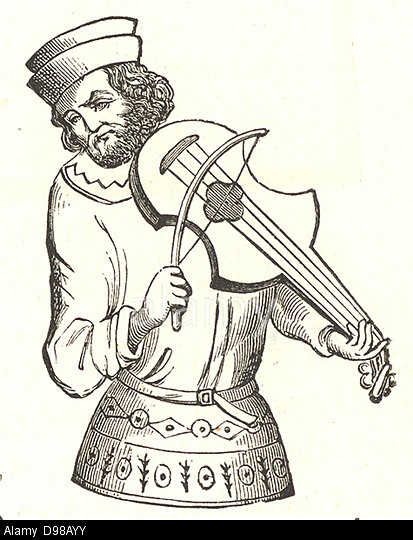
Clearly this jongleur means business. And an apt picture, good work internet.
RISE AND SINK
A former method of changing an entire set, by means of which the upper half of the scenery on the stage rises into the flies and the lower half sinks into the cellar, revealing a new set behind.

Doesn’t even slightly match the definition. But instead looks like the front of a poetry book written by a depressed fish.
STURM UND DRANG (Storm and Stress)
A German theatrical movement of the later 18th century that anticipated many aspects of Romanticism. Taking Shakespeare as their model, such writers as the young Goethe and Schiller reacted fiercely against Neoclassical drama, tackling such themes as social injustice in highly emotional terms. The movement’s philosophy was largely derived from Rousseau’s writings, and took its name from the title of a play by Klinger (1776). The form was highly influential upon the development of Melodrama and spawned subsidiary genre, the Ritterdrama.

Who could forget the most popular boy group of the 18th century. Miss those guys.
DRUM-AND-SHAFT SYSTEM
An arrangement of lines attached to a central drum above the stage, enabling several heavy pieces of scenery to be moved at the same time. Widely used in the Renaissance and Baroque theatre, the system was gradually superseded by machinery capable of moving items of scenery simultaneously but independently of each other.

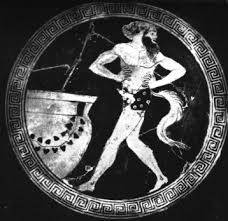
SATYR-PLAY
A farcical entertainment of the ancient Greek theatre, compromising an obscene burlesque on legendary themes. It was usually the work of the same author who wrote the trilogy of tragedies with which it was performed at the Dionysia. The satyr-play always included a chorus of satyrs, borrowed from the cult of DIONYSUS, who appeared as half human and half beast. The first writer of the satyr-play in Athens was, by tradition, Pratinus of Philus; subsequent practitioners of the form included Euripides ( author of Cyclops, the only intact surviving satyr-play), Aeschylus, and Sophocles. Aristotle claimed that Greek tragedy was directly descended from the satyr-play.
PASSION PLAY
A genre of medieval liturgical drama, depicting the events surrounding the Crucifixion.Traditionally performed on Good Friday, the Passion play was popular throughout Europe from the 14th Century until the Reformation and was often presented in the open air. The most famous surviving example is that given every ten years at OBERAMMERGAU.
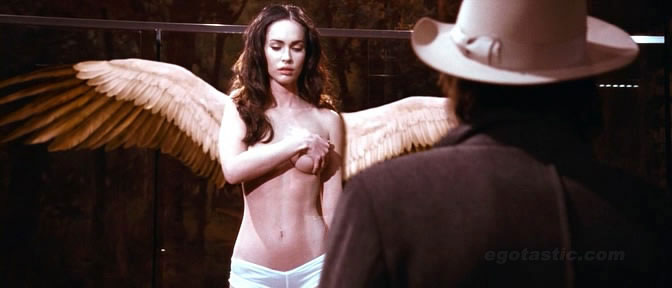
BOULEVARD PLAYS
A form of popular French drama of the late 19th and 20th centuries, equivalent to that presented in the West End in London and on Broadway in New York. Traditionally encompassing farce and domestic drama, the genre developed from the plays performed in the fairground booths of Paris and reached its peak before World War 1; it has since declined. Successful playwrights of Boulevard plays have included Feydeu, Labiche, and Achard.
DROLL
A short comic entertainment that developed in England during the 17th Century, when more elaborate drama was difficult to present without attracting the hostile attention of the Puritan authorities. It often consisted of an extract from a longer play and usually included a dance; the most famous performer of dolls was Robert Cox.
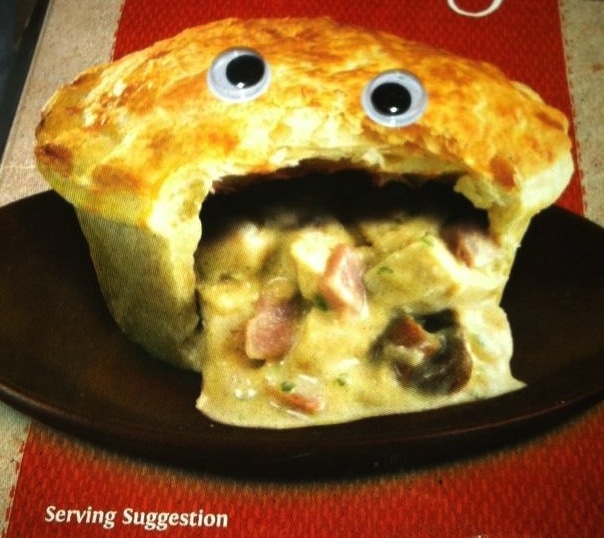
BARKER
A person employed by a theatrical company performing at a fair or other similar event to attract an audience to a show. Such barkers were employed in classical times and subsequently became a common feature of fairgrounds throughout Europe and the US.

MACCUS
A character of the Roman atellana, whose popular appeal lay in his innate stupidity. He was a central figure of a number of plays by such authors as Novius and Pomponius, in the titles of which his name appeared; he was probably presented as a greedy peasant.

All rights reserved to Katie Poushpom, k.e.poushpom
 The Madwoman in the Theatre.