Monthly Archives: August 2015

DRAMATURG REPORT NO. 6

Cumberbatch is pissed: Audience development introduced by Evil Lyn.
He has angered the audience, run!

While finishing my digital work I came across a clip on the internet that was from Victoria Derbyshire on the BBC. Naga Munchetty was discussing Benedict Cumberbatch’s discomfort at being photographed and filmed with guest Caroline Crampton, the web editor of the NewStatesman. It was one of the most refreshing discussions I have heard in a really long time, Crampton gave an incredibly honest and constructive advice on how theatres should start catering to the new type of audience today.

YES. And not once did she talk about Shakespeare, it was brilliant! Sounds odd since the play was written by Shakespeare, but instead discussed the situation at hand , that being the relationship between audience and theatre. No ‘this is what Shakespeare would of wanted, he told me in a dream while riding a dragon’ or ‘the audience needs to have appropriate theatre etiquette, if they knew that they would be foaming by the mouth with joy by the second act’, instead a direct and candid conversation about the new audience and how a theatre could better meet those needs. Actually I don’t want to use the word ‘needs’, it gives me an image that the audience is some sickly dog, instead STRENGTHEN the relationship between audience and theatre to reach further potentials of theatre making.

Here are some of my notes from this interview:

New audience, new needs.
Impact of the content of the play- A well know actor on stage witnessed in real time and not on screen is definitely going to make an audience lose their shit.
In the room experience.
Start creating new services to accommodate to these new needs
Value the audience, don’t piss them off they just paid for tickets. And most likely won’t pay again.

Crampton really honed in about the ‘in the room experience’, putting a Hollywood actor on the stage completely alters not just the play but the audience. Of course they want to take a picture so why not designate a time after the performance where the audience could have this opportunity. Theatres should start exploring more creative ways to form a congruous relationship with the audience, like a modern day Jessica Fletcher. Jessica Fletcher lived in probably the most violent and gruesome town Cabot Cove. A town that appears to be occupied by shiny and smiley happy people, yet a ridiculous amount of people are murdered, an odd juxtaposition between character and set but thats a discussion for another time. That doesn’t deter Fletcher she thrusts herself directly into the action, even in places where she is clearly breaking the law. She solves every murder AND incorporates her discoveries into a thriving writing career.

Not a lot of people are aware of an episode with an irritated Fletcher, its near to impossible to find on the internet. The episode where the chief of police is once again giving out to Fletcher for putting her nose into information where it doesn’t belong, the camera pans to Fletcher who is red with rage answers ‘Fuck you, boundaries are my jumping post to discovery, you dickhead’. It’s all true I saw it with my own vision impaired eyes.

Don't mess with Jess - From a t-shirt I was given as a present.

Don’t mess with Jess
– From a t-shirt I was given as a present.

From my wonderfully random analogy you can understand that constructive and candid discussions about theatre like with Crampton are so useful and dare I say pertinent to strengthen the bond either physical or psychological between audience and theatre. I have always fused audience development into the dramaturgy of a theatre piece. This usually happens at the very beginning and coming up to the end of rehearsals, I have made a series of questions to ask the theatre company about the play with respect to the audience. For the simple reason, if you don’t know what is happening in your play how is the audience going to understand. Or if you would like to take a dramatic artistic stance you can just say (more so not say) you are part of the theatre of silence movement, that will shut them up.

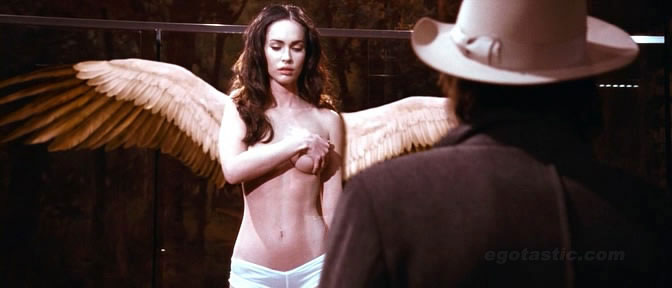
If not here is Evil Lyn, she helps me with a lot of my projects. She is incredibly intelligent but does have a tendency to become a bit over powering claiming that she will rule Eternia. Here are some questions that I put in dramaturg reports concerning audience development specifically with theatre companies.
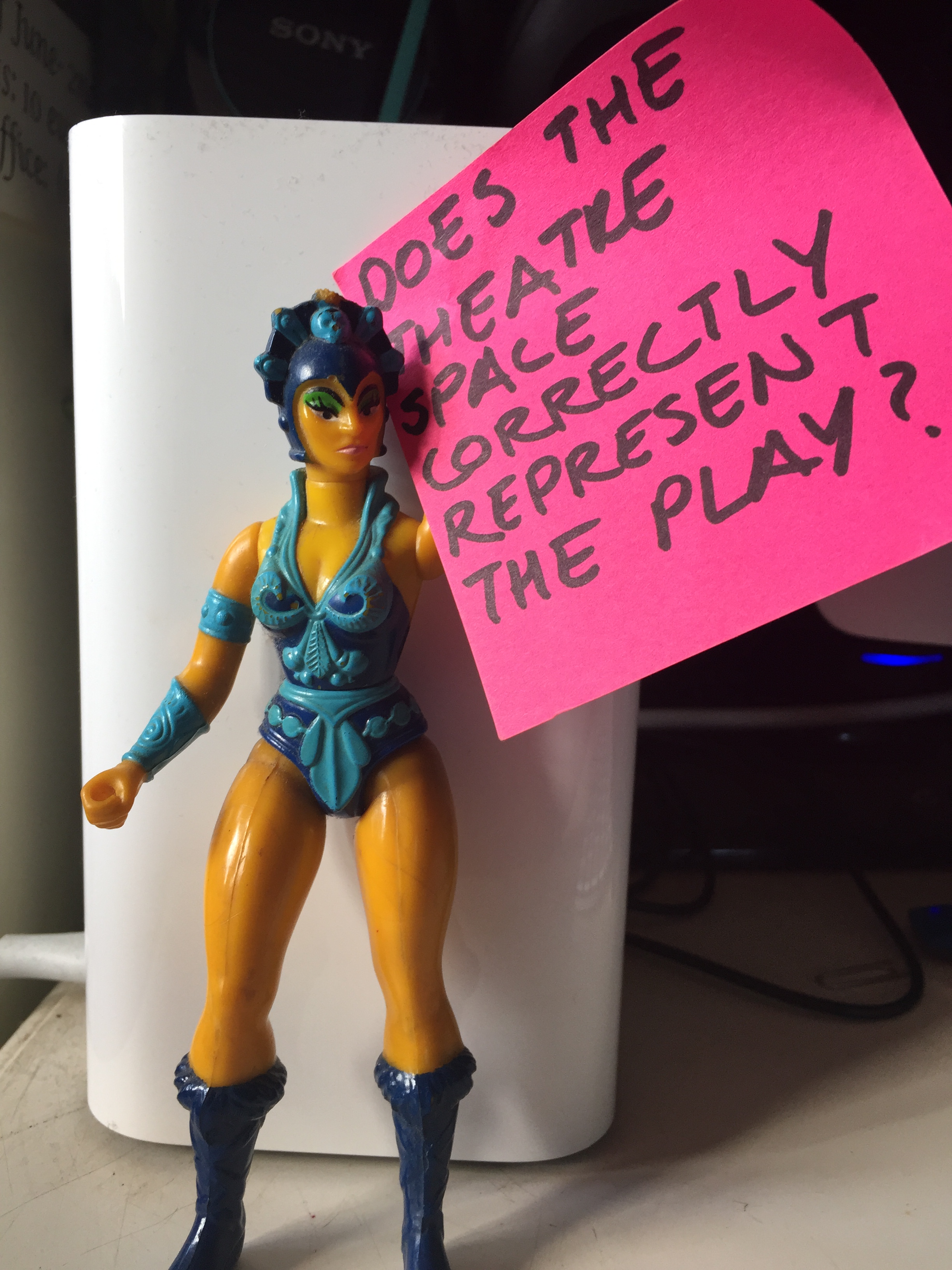
As Lyn beautifully poses, do you think the space where the play is being performed is in harmony with context of the play?

As Lyn beautifully poses, do you think the space where the play is being performed is in harmony with context of the play?

Do you think you need to add anything to the theatre experience, this could be food or drink or even decorating the foyer. Or giving the audience information about the play.
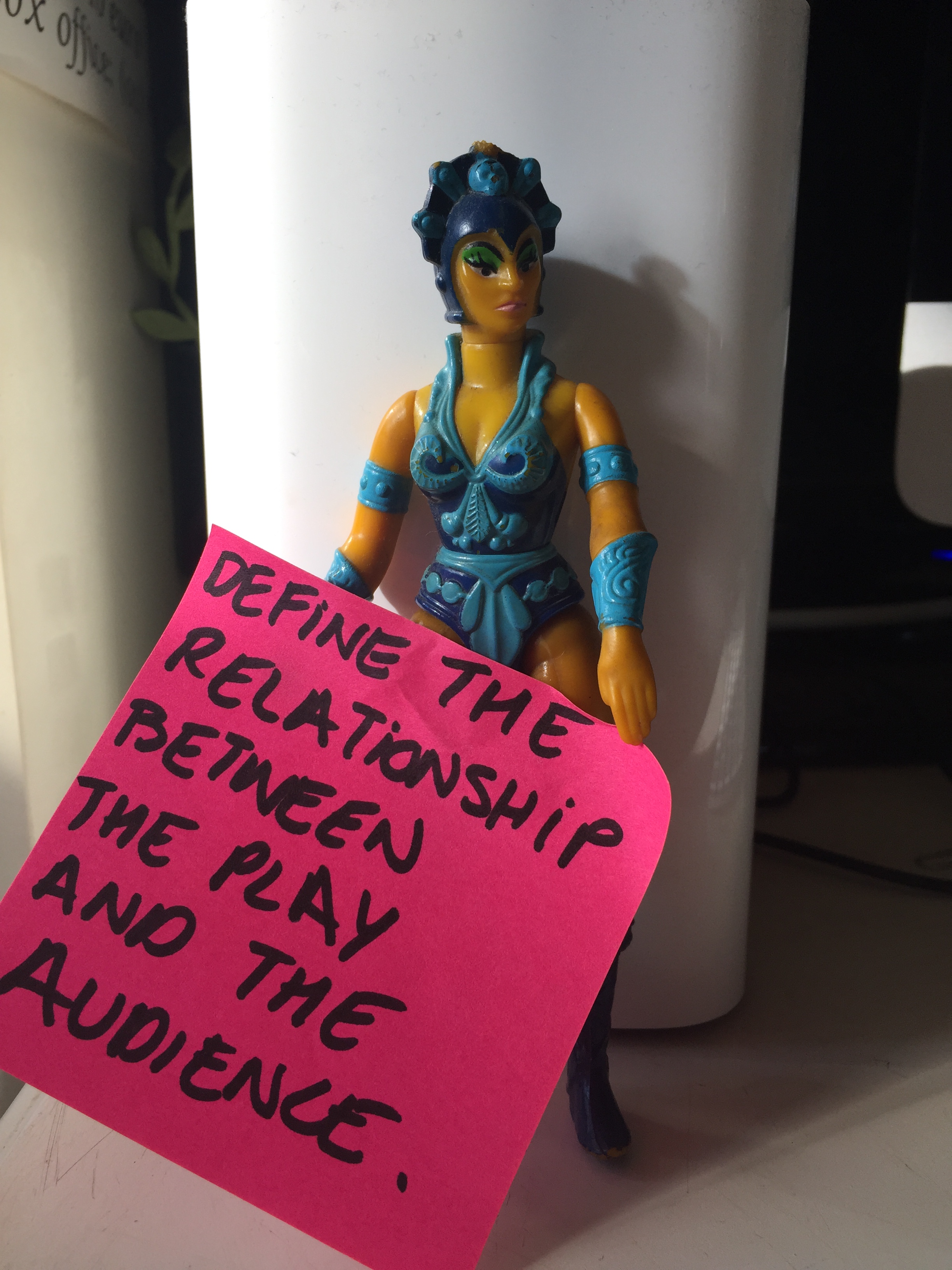
Do you think you need to add anything to the theatre experience, this could be food or drink or even decorating the foyer. Or giving the audience information about the play.

Define how you think the this relationship is created, this is before you ever see the audience.
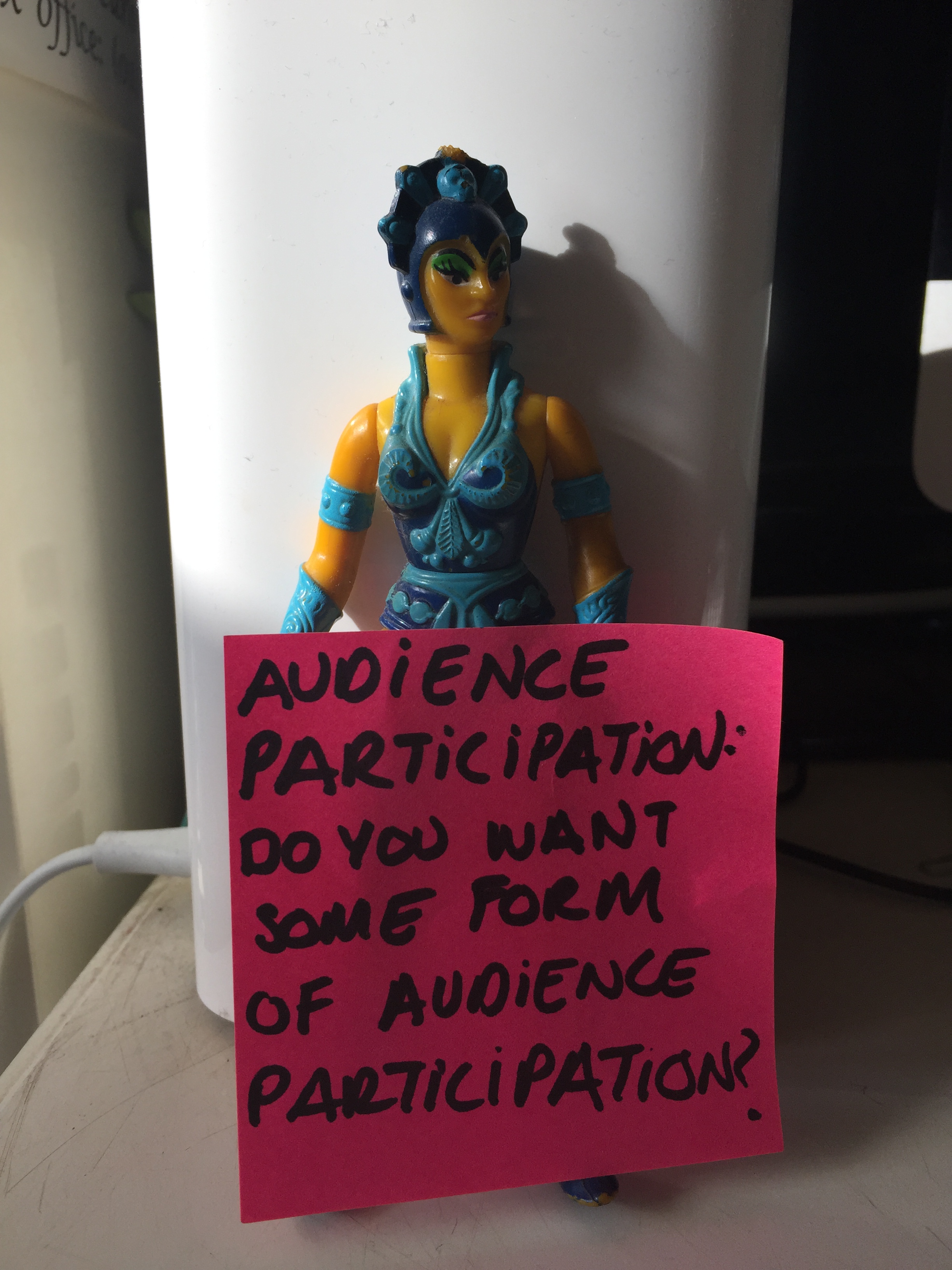
Define how you think the this relationship is created, this is before you ever see the audience.

An audience can participate all of which depends on the context of the play. As in it can't come out of random. If you don't want audience participation that is also fine, it all depends on context.

An audience can participate all of which depends on the context of the play. As in it can’t come out of random. If you don’t want audience participation that is also fine, it all depends on context.
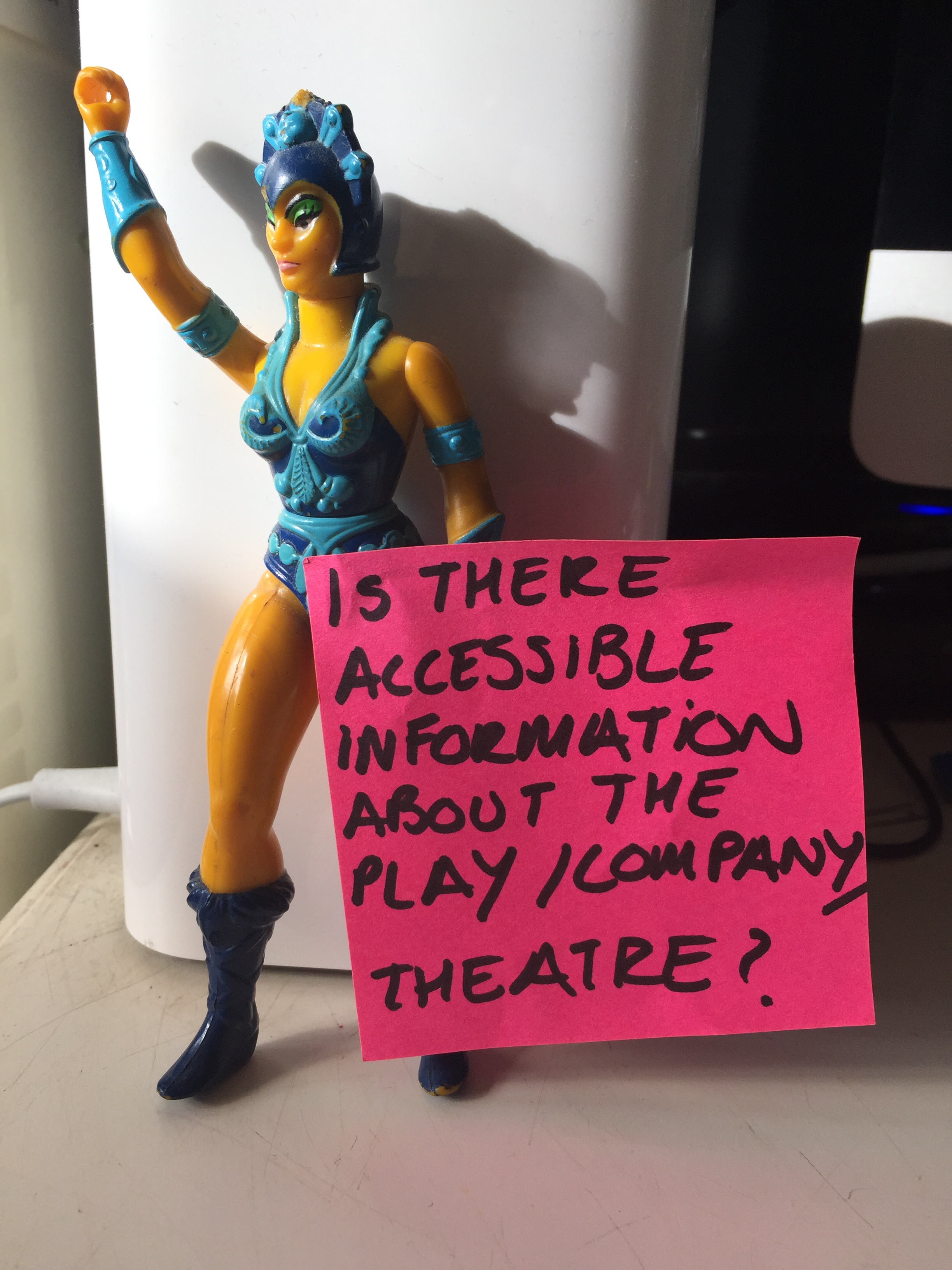
An audience loves information about the work and the company, if you don't have the funds to create programmes why not put info on the wall.

An audience loves information about the work and the company, if you don’t have the funds to create programmes why not put info on the wall.
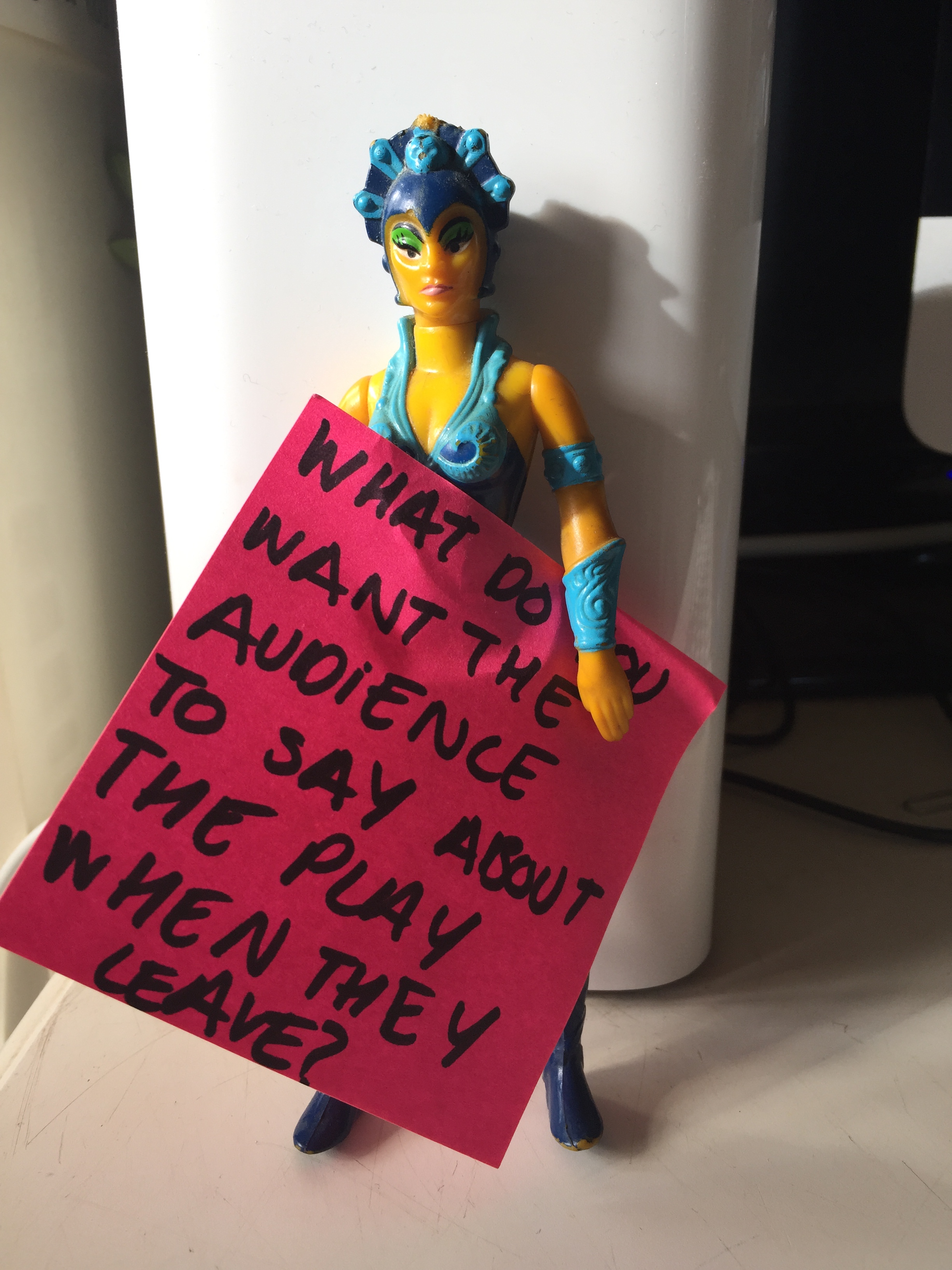
What do you want the audience to say about the play when they leave?
What do you want the audience to say about the play when they leave?

Ask the audience for some feedback either on paper or online.

Ask the audience for some feedback either on paper or online.

Thanks Lyn for all of your help. As Lyn has shown, audience development can be embraced into your theatre making, sometimes it makes it a bit easier, don’t believe me, well, fine then! I do realise audience development can also be interpreted into a different process to what I have described but that is because I have related this process to the dramaturgy of a piece of work, or the context of a piece of work with relation to the audience.

Don’t worry the next dramaturg report will be more coherent and less about Jessica Fletcher.

That’s a lie.

Thank you for reading with your eyeballs.

All rights reserved to Katie Poushpom, k.e.poushpom
Leave a comment

Filed under dramaturg report

DRAMATURG REPORT NO.5 THE INFORMATION PICTURE GAME

The Information Picture Game- to make your brain cry or laugh. Or both.

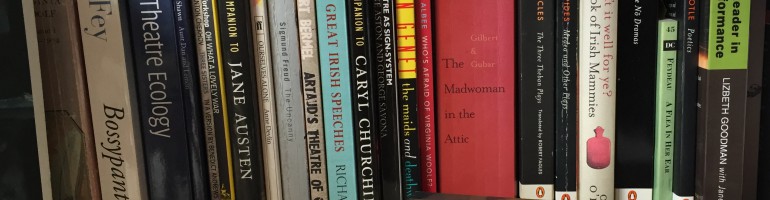
In no certain rhythm or rhyme are some random facts you probably know or don’t know. Put onto this blog to share my dramaturg love for theatre information, or more so random theatre information. All were found from the Penguin Theatre dictionary, along with the first image that appears when I type the word into Google to see if paper matches or even resembles the modern internet machine. Both informative and a fun game for all the kids to try at home.

JONGLEUR

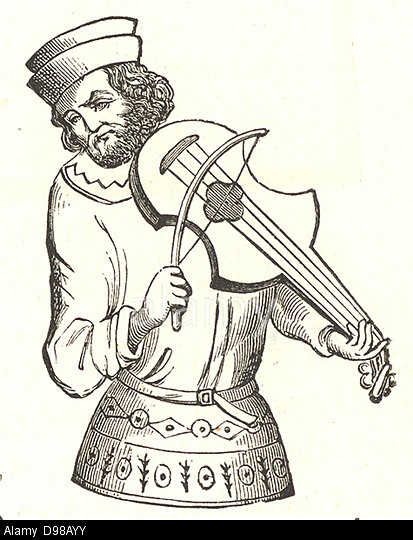
A travelling entertainer of a type common throughout Europe during the Middle Ages. The jongleurs included both men and women who, embracing such diverse theatrical skills as acrobatics, juggling, and singing, sometimes performed only their own material (in which case they were also called trouvéres) ; such entertainers usually worked as solo performers.

Clearly this jongleur means business. And an apt picture, good work internet.

Clearly this jongleur means business. And an apt picture, good work internet.

RISE AND SINK

A former method of changing an entire set, by means of which the upper half of the scenery on the stage rises into the flies and the lower half sinks into the cellar, revealing a new set behind.

Doesn't even slightly match the definition. But instead looks like the front of a poetry book written by a depressed fish.

Doesn’t even slightly match the definition. But instead looks like the front of a poetry book written by a depressed fish.

STURM UND DRANG (Storm and Stress)

A German theatrical movement of the later 18th century that anticipated many aspects of Romanticism. Taking Shakespeare as their model, such writers as the young Goethe and Schiller reacted fiercely against Neoclassical drama, tackling such themes as social injustice in highly emotional terms. The movement’s philosophy was largely derived from Rousseau’s writings, and took its name from the title of a play by Klinger (1776). The form was highly influential upon the development of Melodrama and spawned subsidiary genre, the Ritterdrama.

Who could forget the most popular boy group of the 18th century.  Miss those guys.

Who could forget the most popular boy group of the 18th century. Miss those guys.

DRUM-AND-SHAFT SYSTEM

An arrangement of lines attached to a central drum above the stage, enabling several heavy pieces of scenery to be moved at the same time. Widely used in the Renaissance and Baroque theatre, the system was gradually superseded by machinery capable of moving items of scenery simultaneously but independently of each other.

Drum and shaft base

SATYR-PLAY

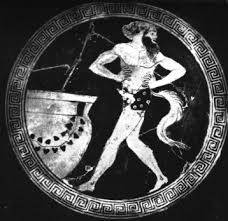
A farcical entertainment of the ancient Greek theatre, compromising an obscene burlesque on legendary themes. It was usually the work of the same author who wrote the trilogy of tragedies with which it was performed at the Dionysia. The satyr-play always included a chorus of satyrs, borrowed from the cult of DIONYSUS, who appeared as half human and half beast. The first writer of the satyr-play in Athens was, by tradition, Pratinus of Philus; subsequent practitioners of the form included Euripides ( author of Cyclops, the only intact surviving satyr-play), Aeschylus, and Sophocles. Aristotle claimed that Greek tragedy was directly descended from the satyr-play.

satyr play

PASSION PLAY

A genre of medieval liturgical drama, depicting the events surrounding the Crucifixion.Traditionally performed on Good Friday, the Passion play was popular throughout Europe from the 14th Century until the Reformation and was often presented in the open air. The most famous surviving example is that given every ten years at OBERAMMERGAU.

passion play

BOULEVARD PLAYS

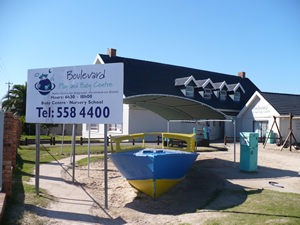
A form of popular French drama of the late 19th and 20th centuries, equivalent to that presented in the West End in London and on Broadway in New York. Traditionally encompassing farce and domestic drama, the genre developed from the plays performed in the fairground booths of Paris and reached its peak before World War 1; it has since declined. Successful playwrights of Boulevard plays have included Feydeu, Labiche, and Achard.

boulevard play

DROLL

A short comic entertainment that developed in England during the 17th Century, when more elaborate drama was difficult to present without attracting the hostile attention of the Puritan authorities. It often consisted of an extract from a longer play and usually included a dance; the most famous performer of dolls was Robert Cox.

droll

BARKER

A person employed by a theatrical company performing at a fair or other similar event to attract an audience to a show. Such barkers were employed in classical times and subsequently became a common feature of fairgrounds throughout Europe and the US.

Barker

MACCUS

A character of the Roman atellana, whose popular appeal lay in his innate stupidity. He was a central figure of a number of plays by such authors as Novius and Pomponius, in the titles of which his name appeared; he was probably presented as a greedy peasant.

Maccus...

All rights reserved to Katie Poushpom, k.e.poushpom

Leave a comment

Filed under dramaturg report